
Last updated November 23, 2026
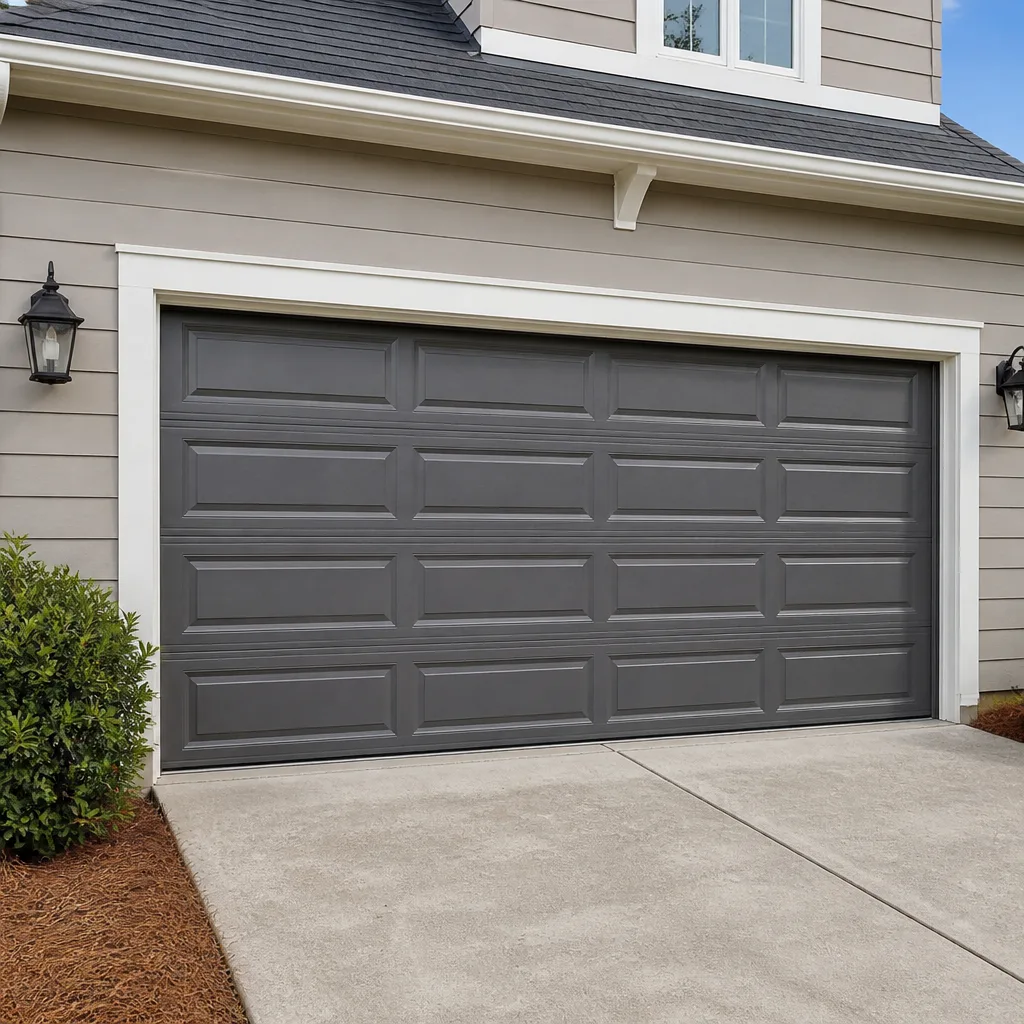 Raised-panel steel
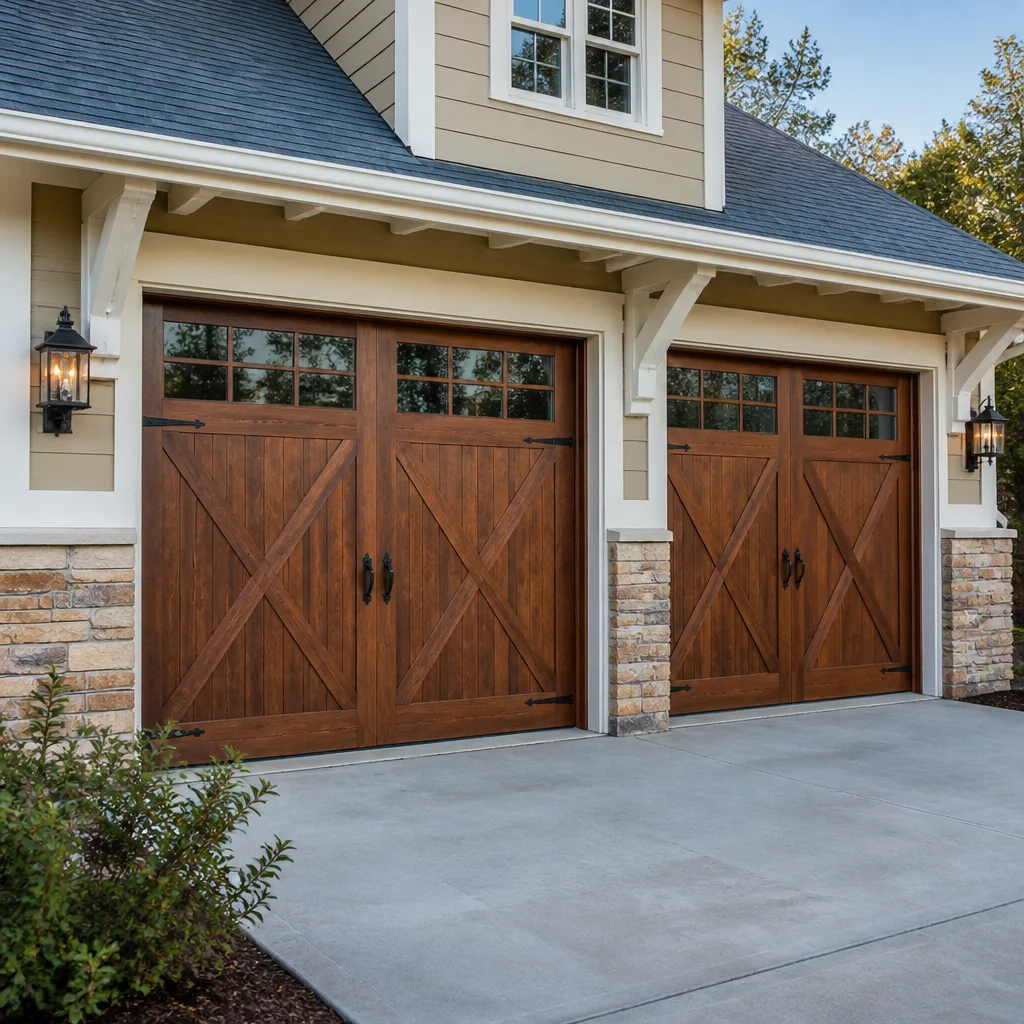 Carriage house
 Modern flush
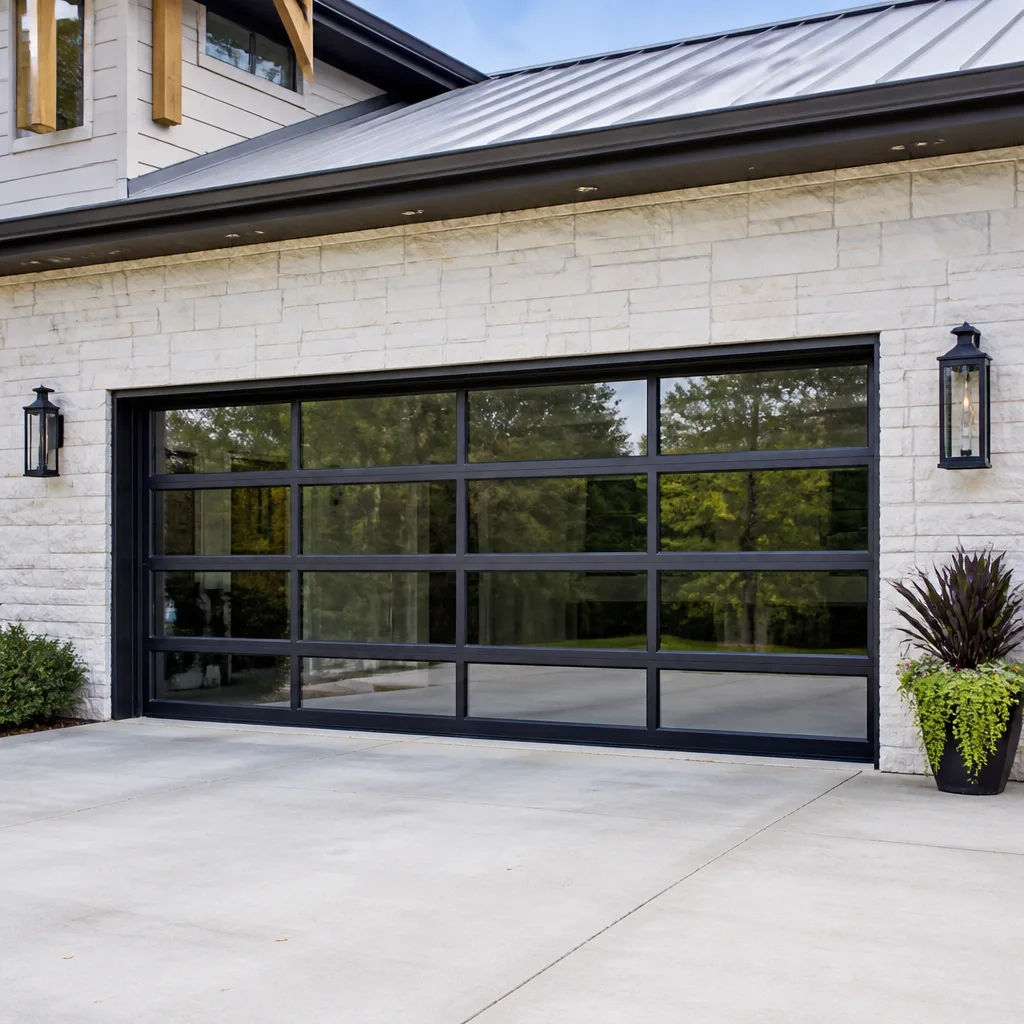 Full-view glass
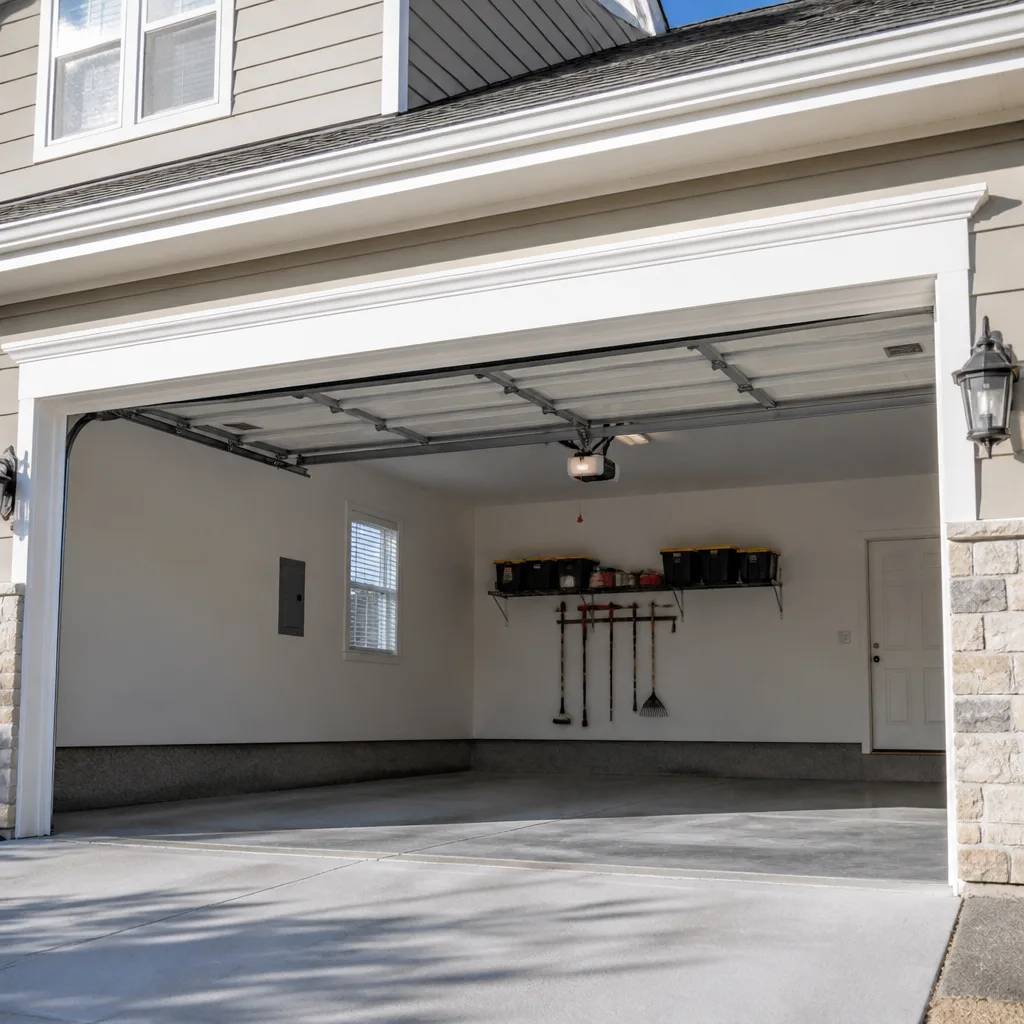 LiftMaster openers
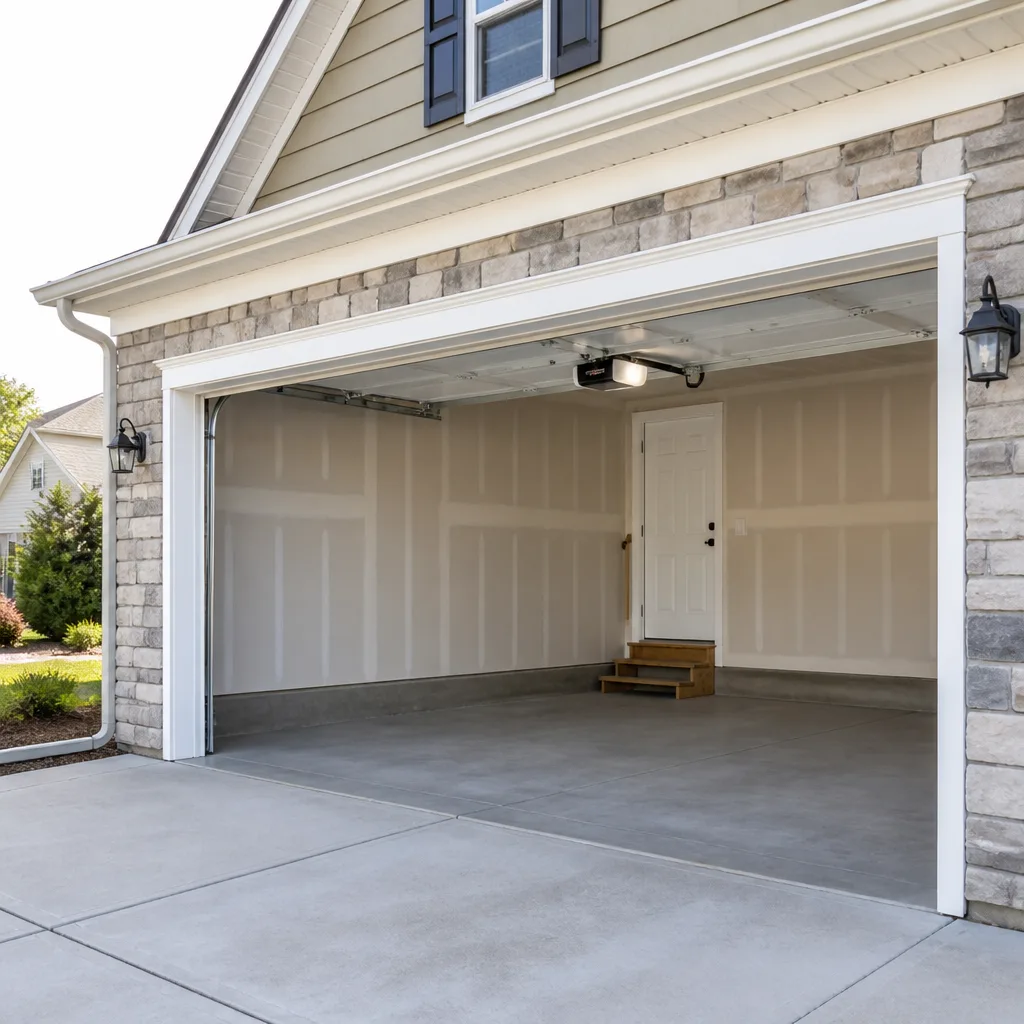 Chamberlain openers
Full 25-point door and opener safety check with every visit - springs, cables, rollers, tracks, and your LiftMaster or Chamberlain opener included
You get a price before we start. It does not change when the pro arrives.
Get your free estimateGarage Door Repair Maintenance Checklist for Schaumburg Homeowners
Most Schaumburg homeowners assume a garage door dies from old age or a snapped spring. In our experience, the opposite is closer to the truth. A door almost never fails out of nowhere: it fails in a sequence, and each step in that sequence was set in motion by a skipped task months earlier. The spring that lets go in a January cold snap was usually talking to the door all autumn, and a five-minute check in October would have caught it. This guide is a maintenance checklist built around that failure sequence, so every task is ordered by the damage it actually prevents, not by what looks tidy on paper. You’ll learn which lubrication points matter, how to test the safety reverse on the openers in your garage, which jobs belong to you and which belong to a trained technician, and how our Illinois temperature swings change what your door needs through the year.
Quick Answer
A solid garage door maintenance routine for a Schaumburg home covers four things: monthly visual checks of springs, cables, rollers and hinges; lubrication at the specific friction points your system actually uses; a monthly safety-reverse and force test on your opener; and a professional inspection of springs and cables whenever the door starts to sound, move or balance differently. Homeowners can safely handle cleaning, lubrication, the opener tests and visual checks. Springs, cables and any adjustment of torsion tension belong to a trained technician, because those components are under heavy load and can cause serious injury.
Styles & brands we work with
- Raised-panel steel
- Carriage house
- Modern flush
- Full-view glass
- LiftMaster openers
- Chamberlain openers
Table of Contents
- Why This Checklist Follows the Failure Sequence, Not the Alphabet
- The Monthly Five-Minute Walk-Around
- Lubrication: Torsion vs. Extension Systems and the One Product That Ruins Nylon Rollers
- The Visual Cable Inspection That Catches Fraying Before a Door Drops
- Testing Force Sensitivity on the Openers We See Most in Schaumburg Homes
- Seasonal Adjustment Thresholds for Illinois Temperature Swings
- Which Maintenance Tasks Void a Manufacturer Warranty (and Which Don’t)
- The Safety Lines We Never Cross
Why This Checklist Follows the Failure Sequence, Not the Alphabet
Search for a garage door maintenance checklist and you’ll find the same list rearranged a hundred ways: lubricate moving parts, test the auto-reverse, tighten bolts, listen for noise. That order tells you what to touch but not what you’re preventing. We’ve seen enough Schaumburg doors in enough conditions to know that failures follow a path. Understanding the path is what turns a list of chores into a maintenance routine that actually protects your door.
The sequence starts with friction. Grit collects on rollers and hinges, metal starts to bind, and the door begins working a little harder than it should on each cycle. From there the strain moves to the torsion or extension springs, which now carry more load than they were balanced for. Next the lift cables take uneven tension and begin to fray at the drum or the bottom bracket. By winter, when cold has made the metal brittle and every cycle is a little heavier, the accumulated strain finds the weakest point. Usually that’s a spring. Sometimes it’s a cable. Once in a while it’s the opener, which has been quietly running longer and harder for months.
Here’s the key point: each stage is cheap and easy to catch early, and expensive and dangerous to leave. That’s why the tasks below are ordered the way they are. First friction and fasteners, because they’re safe and they slow everything downstream. Then cables, because fraying is the last visible warning before a door-drop. Then springs and tension, which need professional eyes. Then the opener, because it’s the component most likely to show symptoms of the strain already built up. Then the seasonal stuff, then warranties.
One local note matters here. Schaumburg sits in a climate with real temperature swings, and its road crews do a thorough job of treating streets through the winter. That combination means the grit that finds its way into your door’s moving parts has both road salt and seasonal dust in it. That mixture is more abrasive than plain dirt, which is why doors here tend to show friction wear earlier than homeowners expect. Our technicians have up to 10 years of experience, and one pattern hasn’t changed: the homes that get ahead of friction are the ones that skip the mid-season emergencies.
The Monthly Five-Minute Walk-Around
The ideal monthly routine asks one question: what does the door look, sound and feel like right now? If you can walk around your garage in five minutes and answer that honestly, you’ll catch most problems while they’re still a phone call rather than a tow. This walk-around is safe for any homeowner to perform.
Work in this order:
- Look at the door from outside. With the door closed, stand a few feet back and check that the panels line up. A gap at one corner, a sag in the middle or a bow near the top tells you the door is fighting something.
- Check the hinges visually. You’re not loosening anything yet. You’re looking for a hinge that has pulled away from the panel or a screw that’s sitting proud of the bracket. Loose fasteners let a door wobble, and a wobbling door works all the other parts harder.
- Scan the springs. From a safe distance, look at the springs above the door (torsion) or along the horizontal tracks (extension). You’re checking for visible gaps, rust streaks or a spring that looks longer or shorter than its neighbor. Don’t touch. A spring that’s already failed can still hold a lot of stored force.
- Run the door once and listen. With the opener, cycle the door up and down. Listen for grinding, a rattle, or a squeal at one point in the travel. Grinding is more urgent than squeaking; a squeal that occurs at the same spot each cycle is friction asking for attention.
- Roller check at eye level. Look at the rollers that ride the track at your own height, no higher. You’re checking for a cracked nylon wheel, a roller that’s popped out of the track, or a flat spot that’s worn into one side.
- Photograph anything you noticed. This is the one step most homeowners miss, and it does two useful things: it lets us see exactly what you saw when you call, and it gives you a record to compare against next month.
That’s the whole routine. No tools, no ladder, no need to touch a loaded part. What you’re building is a baseline. Once you know what “normal” sounds like in your own garage, any change is obvious.
Lubrication: Torsion vs. Extension Systems and the One Product That Ruins Nylon Rollers
Lubrication is the most useful thing a Schaumburg homeowner can do for a door, and it’s also the task most often done wrong. The right product in the right place extends the life of rollers, hinges and springs. The wrong product in the wrong place can turn a smooth-running door into a sticky one in a single afternoon. Here’s what actually matters.
First, know your system. Torsion spring systems use one or two coils mounted on a shaft above the door, running parallel to the header. Extension spring systems use springs mounted along the horizontal tracks on either side. The reason the distinction matters is that the friction points differ. On a torsion system, the highest-stress friction point is where the lift cables wind onto the drums at each end of the shaft, plus the bearings at the center bracket. On an extension system, the same cable friction exists, but the springs themselves slide against their pulleys, and the pulleys are what wear.
The lube points you can safely hit:
- Hinge knuckles (the pivot points, not the hinge plates that bolt to the door)
- Roller stems and the metal shafts of the rollers
- The travel track of the opener’s rail, lightly
- The pivot points on the safety photo-eye brackets
- On extension systems, the spring-to-pulley interface at each end
The points you should not touch are the springs themselves on a torsion system. A torsion spring under tension can release stored force unpredictably if disturbed. Lubrication of a torsion spring is something a trained technician handles, because getting close enough to do it safely requires knowing what’s loaded.
Now the product that trips people up: standard petroleum-based spray lubricants and greases. On steel rollers they’re fine. On nylon rollers, which are increasingly common on doors sold in Schaumburg (Clopay is one of the brands we see most often with them), petroleum lubricants can soften and swell the nylon over time. The result is a roller that binds or crushes against the track rather than rolling. What you want on nylon rollers is a silicone-based or dry PTFE lubricant, applied sparingly to the stem and a light film on the barrel. A single product applied to everything on the door is exactly how nylon rollers get ruined.
Application matters as much as product. A light coat at any one point is all a door needs. The instinct to douse a squeaky hinge is the reason doors come in with lubricant dripped onto the panels and pooled in the bottom brackets. Two short sprays per point, a rag to catch drips, and a cycle of the door to work it in is plenty.
The Visual Cable Inspection That Catches Fraying Before a Door Drops
Lift cables are the part of your door that does the load-bearing work during every opening and closing cycle, and they’re also the part most likely to fail without an obvious noise. A fraying cable often sounds normal right up to the moment it strands the door at an angle or drops one side. The good news: frayed cables are visible, and catching them early is a two-minute visual check.
Stand back and observe, don’t touch. Use these checkpoints:
- The bottom bracket. Follow the cable from where it attaches to the bottom corner of the door. You want a clean, straight run with no kinks or twists right at the bracket. A cable that’s pulled off-center tells you the door is binding on one side.
- The drum on a torsion system. Look at where the cable winds onto the drum at each end of the shaft. You’re checking that the cable is wound evenly with no overlap. Overlapping winds mean uneven tension, and uneven tension is what frays a cable.
- The length of the cable. Run your eyes down the full visible cable, from bracket to drum or bracket to pulley. You’re looking for a fuzzy texture, broken strands sticking out like bristles, or a section that’s rusted darker than the rest.
- The point where the cable runs into the track. Check the pulley or roller bracket that the cable passes through. A worn pulley has a groove in it, and a cable that’s been running on that groove is being damaged with every cycle.
- Both sides, every time. A cable failing on one side is much more likely to be matched by the other side soon. The springs and cables on a matched pair of drums carry shared load, and when one goes, the other is often right behind it.
What you should never do: touch a cable that’s under tension, try to rewind a drum, or reach into the bottom bracket. Cables are high-tension parts, and a cable under load is one of the most serious hazards in the entire door system. If you see fraying, kinks, an off-center cable, or a cable that looks like it’s been stressed, schedule a professional look before you use the door again. Fraying caught in the visual check is a routine garage door repair; fraying ignored is a door-drop call.
Testing Force Sensitivity on the Openers We See Most in Schaumburg Homes
The safety-reverse and force-sensitivity tests are two of the most useful things a homeowner can do, and they’re surprisingly easy. Both tests work the same way across brands, with small differences in where the controls live. We work on eight major opener brands, but the five most common in Schaumburg garages are LiftMaster, Chamberlain, Genie, Craftsman and Raynor. Here’s how to run the tests on each.
The safety-reverse test (do this monthly). Place a piece of 2×4 flat on the floor directly under the center of the door. Close the door with the opener. When the door contacts the board, it should reverse and return to the fully open position within a couple of seconds. If the door stops without reversing, or reverses only after visible force, the safety system isn’t doing its job and the door needs attention before it’s used again. Repeat the test with the door halfway down so you’re testing two points in the travel.
The photo-eye test (same interval). With the door closing, pass a broomstick or a rolled newspaper between the two photo-eye sensors mounted at the bottom of the tracks. A healthy system reverses immediately. If the door keeps going, either a sensor is misaligned or the system is failing.
The force-sensitivity test (do this monthly, or any time the door feels different). This test checks whether the opener is overpowering resistance it shouldn’t be able to overcome. Remove any obstruction. With the door open about halfway, stand off to the side and pull gently upward on the bottom of the door as it starts to close. A properly adjusted opener detects the resistance and reverses. If it keeps pushing, the force limit needs adjusting:
- LiftMaster and Chamberlain. The force adjustment dials are on the back or side of the motor housing, usually labeled “Open Force” and “Close Force.” On newer units the adjustment is made via the control panel or the smartphone app, using a numbered scale.
- Genie. Force limits are set with adjustment screws on the side of the unit (Series II and later), or with a control panel on newer units. The manual scale runs from light to heavy, and the goal is the lightest setting that moves the door without reversing on its own.
- Craftsman. Craftsman openers sold under the brand name share the same architecture as the LiftMaster and Chamberlain units they were built alongside. The adjustment is on the back panel, with a screw-and-scale setup.
- Raynor. Force settings are typically inside the motor cover or on the back of the head unit. The Raynor manual for your model lists the exact dial, and the trick is to set it at the lightest setting that reliably moves the door through a full cycle.
Here’s where it gets interesting. Adjusting the force limit to “make it work” is almost always the wrong move. If a door suddenly needs more force to close, something else has changed: a roller is binding, a spring has weakened, or the track has shifted. Raising the limit on the opener hides the symptom while the underlying problem gets worse. Our garage door opener repair calls often come in as “the opener stopped working,” when the opener was actually reporting a door problem in the only way it could. When a door starts needing more force, the door is asking for a technician.
Seasonal Adjustment Thresholds for Illinois Temperature Swings
Garage doors don’t just wear; they respond to temperature. Steel contracts in the cold, components stiffen, lubricant thickens. In a climate with real seasonal swings, a door that’s perfectly adjusted in spring can feel noticeably different by January. This isn’t a sign the door is failing; it’s the system reacting to its environment. What matters is knowing the thresholds where a change calls for a technician rather than waiting.
The thresholds we watch for in Schaumburg homes:
- Autumn, the pre-winter check. Before the first hard freeze, a door that’s noticeably harder to lift by hand or that has started to sag at the top of its travel should get a professional look. This is the ideal window for a spring and cable inspection, because a weakened spring that fails in October is a scheduled repair; one that fails in January is an emergency. Get this one done before your street’s first icy morning, not after.
- Winter, the strain test. In a real cold snap, a slight heaviness is normal. But if the door needs more opener force to close, if it only opens halfway and stops, or if the opener trips its own internal breaker on cold mornings, those aren’t seasonal; they’re thresholds. Any of them, plus a “gronk” sound on lift, means something is stressed past its limit.
- Spring, the thaw check. Freeze-thaw cycles move a garage floor and sometimes shift the bottom seal. A door that suddenly doesn’t sit flush on the seal after spring thaw usually needs a small track or seal adjustment, not a new door.
- Summer, the lube reset. Heat thins lubricants and loosens fitting tolerances. This is the time to re-apply light lubricant at the points above, check hinge screws for loosening, and listen for a rattle that wasn’t there in spring.
- The threshold line itself. Any time the door’s sound, feel or balance changes by more than a hair, that’s your threshold. A door that goes from quiet to loud over a week is telling you something. A door that goes from quiet to loud over a day is telling you to stop using it.
This matters for safety decisions, not just convenience. Springs are the most dangerous component in your garage door system, and temperature change is what pushes a marginal spring over the edge. The seasonal check is really a spring check with a schedule attached. We handle garage door spring repair as a named service precisely because this is the part of the system where guessing is not okay.
Which Maintenance Tasks Void a Manufacturer Warranty (and Which Don’t)
Manufacturers differ in their fine print, but the broad pattern is consistent. Routine cleaning, lubrication at the user’s points, the safety-reverse test and a visual inspection are all homeowner tasks and none of them affect your warranty. What can affect it is any task that involves opening the manufacturer’s sealed components on the opener or adjusting loaded parts of the door system. Clopay door warranties, for example, list the door’s structure and finish protection separately, and both are conditioned on the manufacturer’s specified service schedule. LiftMaster and Chamberlain openers include language about unauthorized adjustment or opening the head unit. Genie and Raynor take a similar approach.
The tasks that can affect a warranty:
- Adjusting the opener’s internal components. Opening the head unit beyond the manufacturer’s instructions can void the opener’s coverage, not just for the adjustment you made but for any later failure that could be traced to it.
- Adjusting torsion spring tension. Any repair or adjustment of torsion springs by someone who isn’t a trained technician is the single most common warranty exclusion on the door itself.
- Modifying the tracks or replacing structural brackets. Track modifications can shift load into parts the manufacturer didn’t design for that load, and warranties written around the original configuration typically exclude it.
- Cutting, welding or drilling the panels. Cosmetic modifications to door panels can affect the warranty on the finish and, in some cases, on the structural integrity of the panel.
- Replacing a manufacturer part with an aftermarket equivalent and then claiming a failure. Most warranty terms allow for wear items to be replaced, but a subsequent failure traced to the aftermarket part isn’t covered.
The safe line for a homeowner: cleaning, lubrication, the visual walk-around, the safety tests, and replacing batteries in the remote and in the photo-eye system. Everything else that involves the springs, the cables, the drums, the opener’s internals or the door’s structural panels belongs to a technician. One practical habit that protects a warranty: keep the receipt or service record from any professional work and note the date. If a manufacturer claim comes up later, having a documented service history turns an argument into a formality.
The Safety Lines We Never Cross
In a guide full of steps, this section is the one we take out and put back in front of every homeowner. A garage door is the largest moving object in most homes, and several of its parts carry stored force that can cause serious injury in an instant.
The parts a homeowner should never touch:
- Any spring under tension. Torsion springs and extension springs both store enormous force, and releasing that force incorrectly is dangerous to anyone nearby, not just the person handling the spring.
- Any cable under tension. A failing cable can whip or snap. Never try to rewind a cable or work on a bottom bracket.
- The torsion shaft and drums. Adjusting these parts is how springs and cables become unevenly loaded. It’s a trained-hands job.
- Ladder work on the tracks or brackets above head height. If you need a ladder to inspect something, you’ll be up there on your own with a loaded component. That’s the moment to make a call instead.
The parts a homeowner can and should attend to: cleaning, light lubrication at the friction points above, the safety-reverse and force tests, and the visual walk-around. No ladder required, no tools beyond a rag and a spray bottle, no loaded part touched.
One more matter of judgment. When a door has failed, closed on one side, or made a noise that sounds like something cracked, the door should not be cycled until a technician has looked at it. We answer 24/7, and fast dispatch runs from 7am to 7pm, Sunday through Friday. Same-day service is available for urgent situations. Getting the door looked at early is almost always less expensive than waiting, because a timed repair catches the problem before it takes the door with it.
Common Mistakes to Avoid
- Lubricating everything with the same product. A petroleum-based lubricant that’s fine on a steel roller can damage nylon rollers. Match the product to the part, and keep the lightest possible application.
- Adjusting the opener force limit to make a binding door close. When a door suddenly needs more force, something else has changed and is asking for attention. Raising the limit hides the problem rather than fixing it.
- Skipping the safety-reverse test because “it worked last year.” The test takes two minutes and 2×4 to run. A single cycle with an inoperative safety reverse is a serious risk in a Schaumburg household with kids or pets.
- Ignoring a noise because it’s “just a squeak.” A sound that repeats at the same point in every cycle is friction telling you where. A sound that changes over a week is a part loosening. Neither is benign.
- Assuming a spring failure is one spring. Springs on a matched pair usually fail together, and a single spring replaced on a set with the other already weakening is a short-term fix. Ask for both to be inspected.
- Touching a spring or cable because the door looks “stuck.” A stuck door can still have a loaded spring or a stretched cable. Reaching for either is the way a routine problem becomes an injury.
- Not testing the last inch of the closing travel. Most of the real force is in the last inch or two before the door meets the floor. If you only test the middle, you’re testing the half where the door has the least chance of hurting anyone.
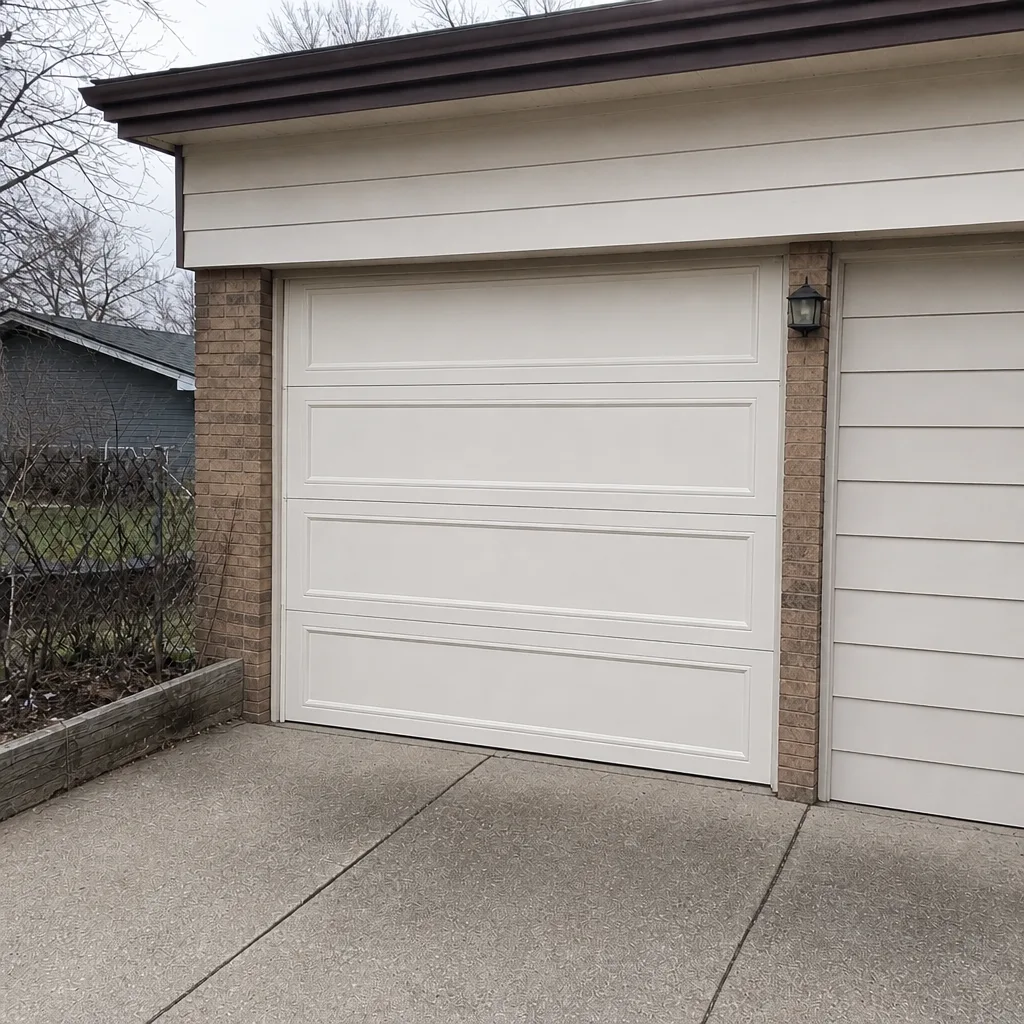
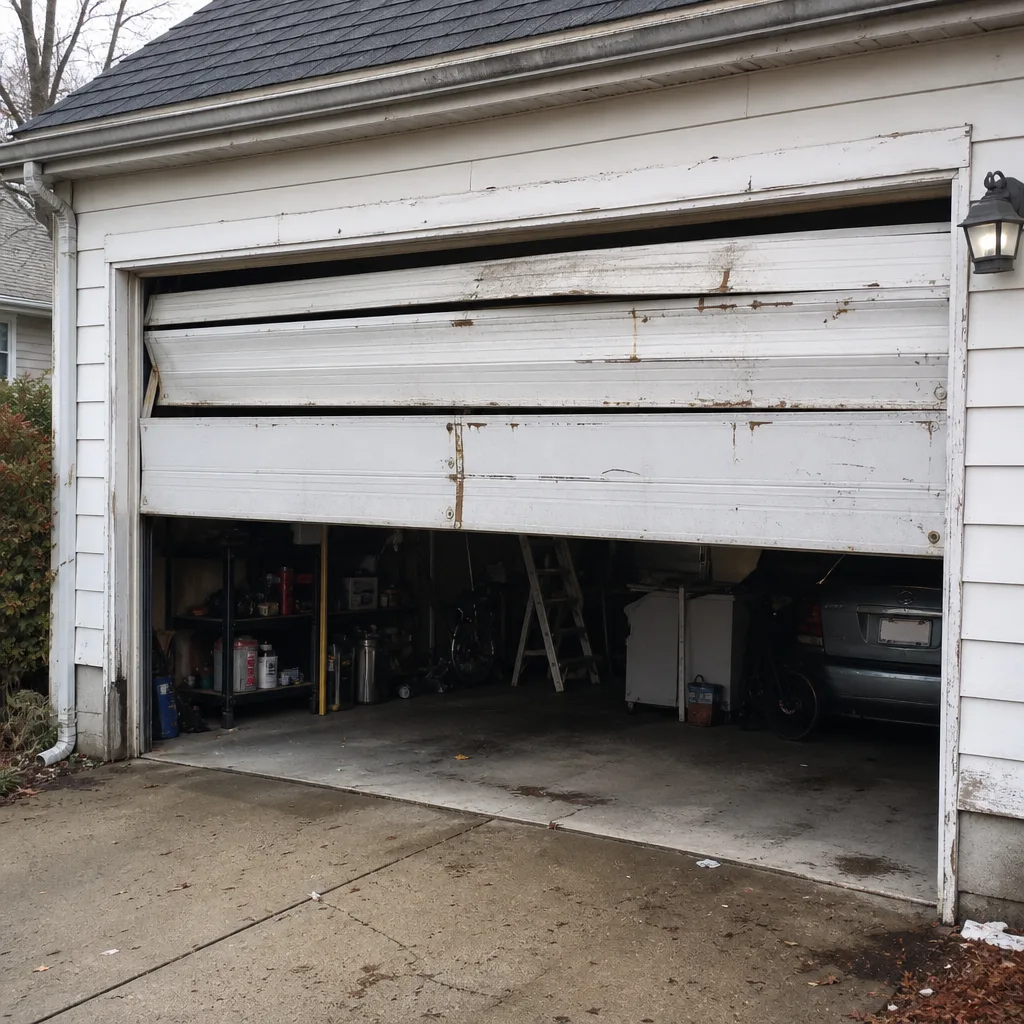
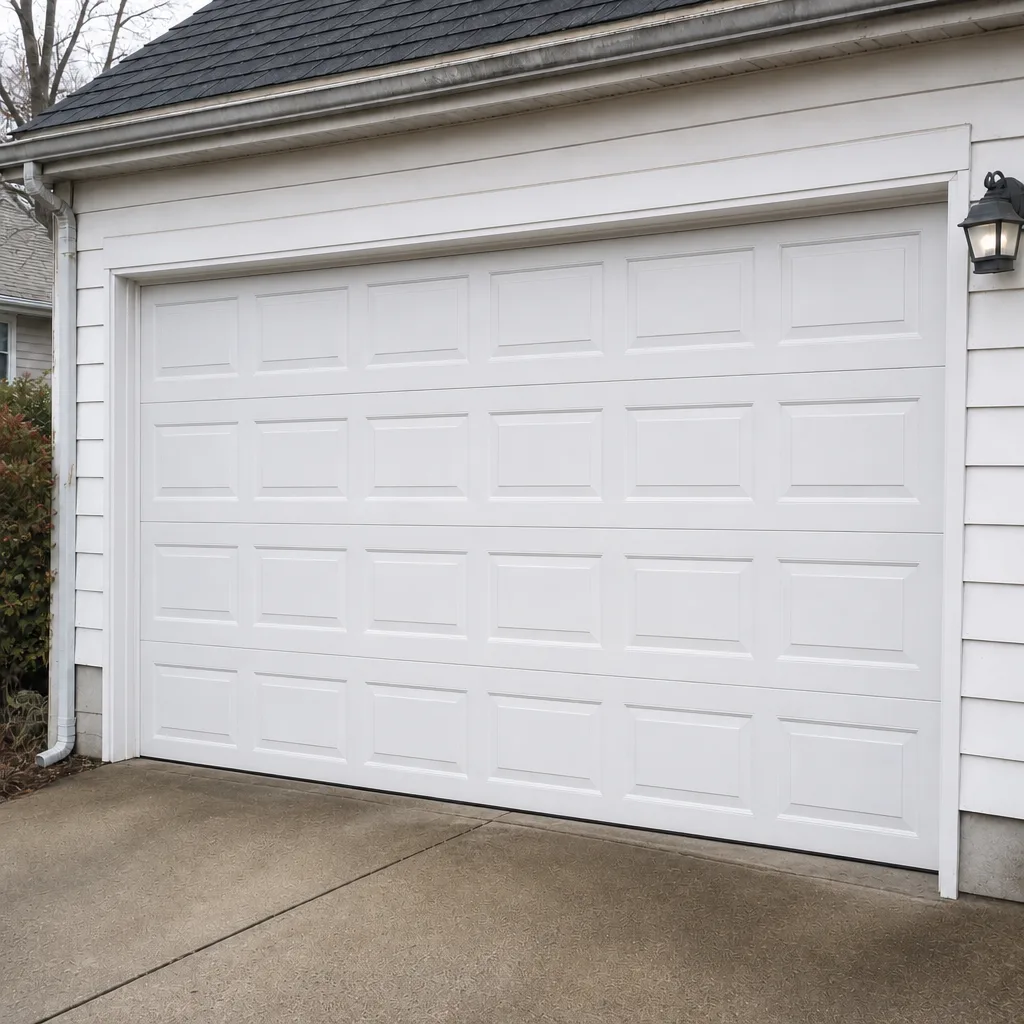
See the difference
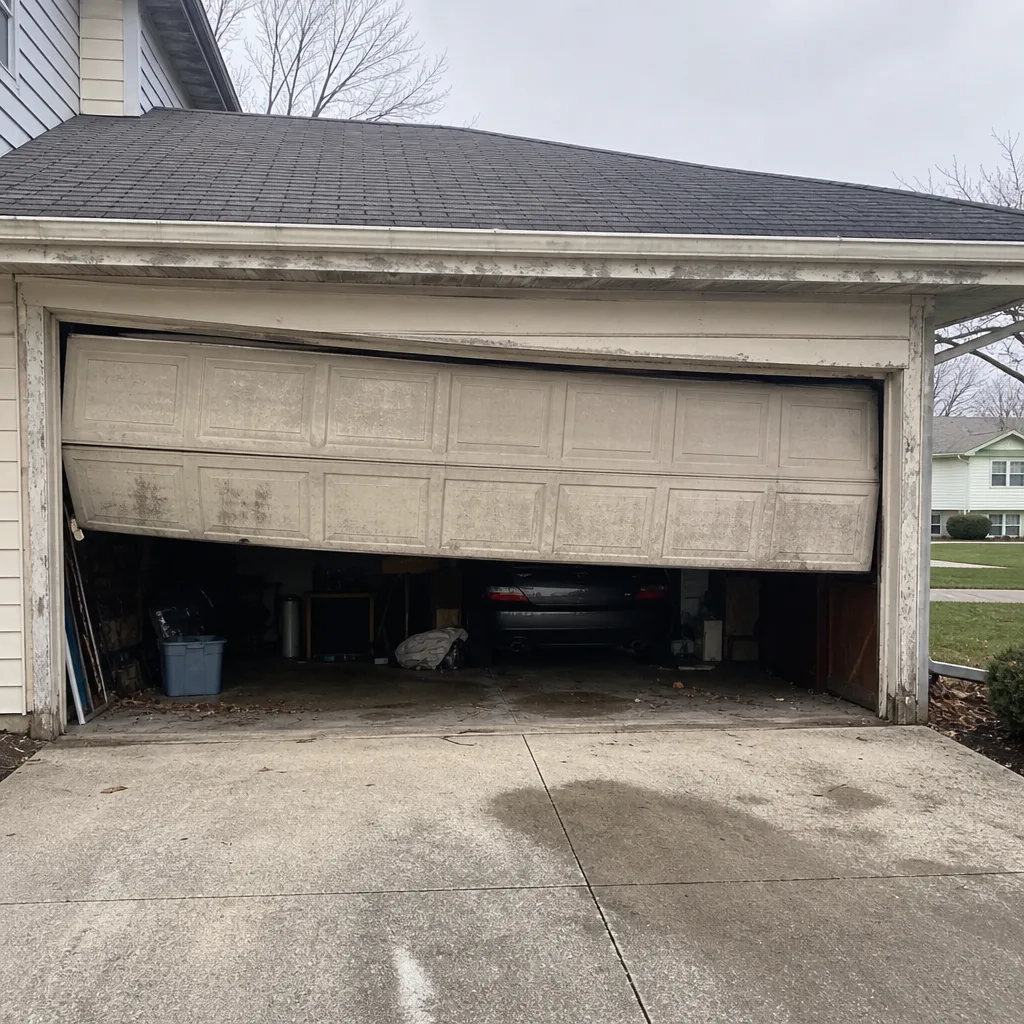 Before
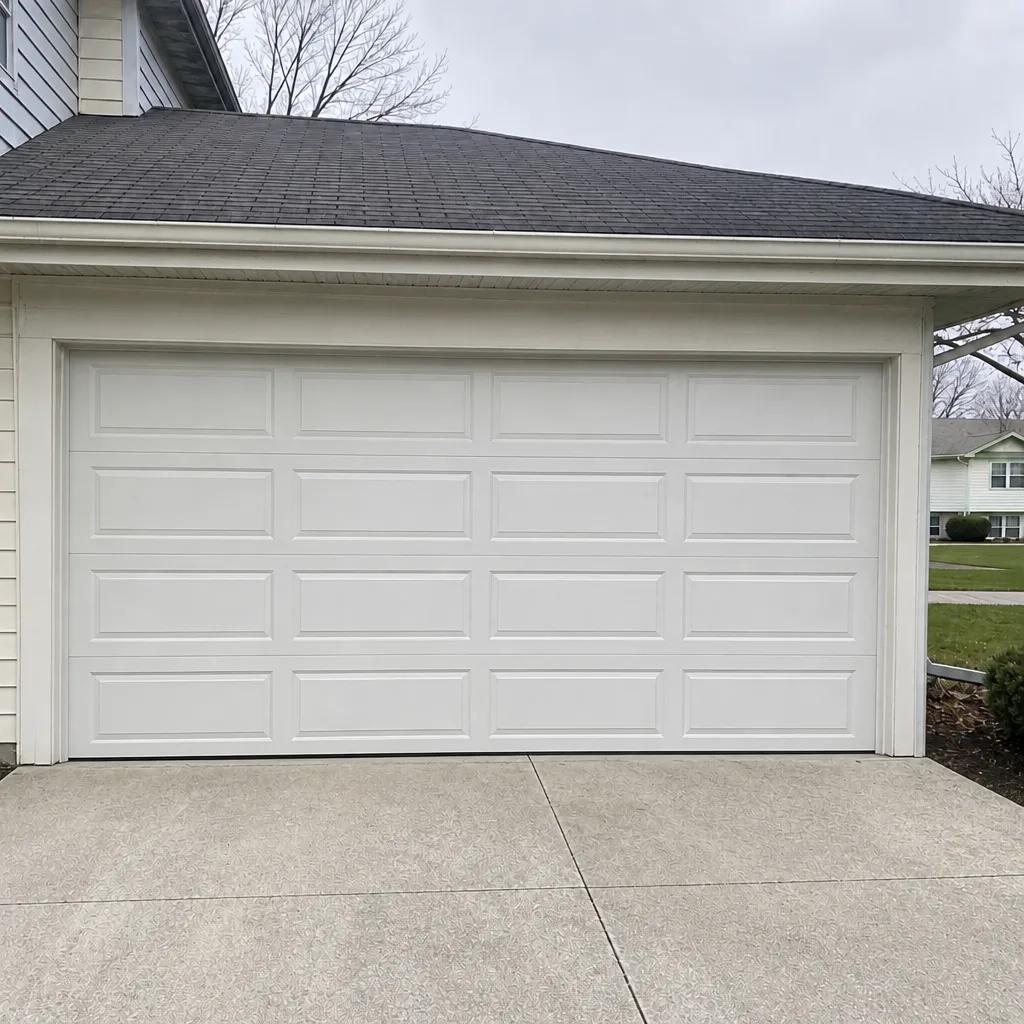 After
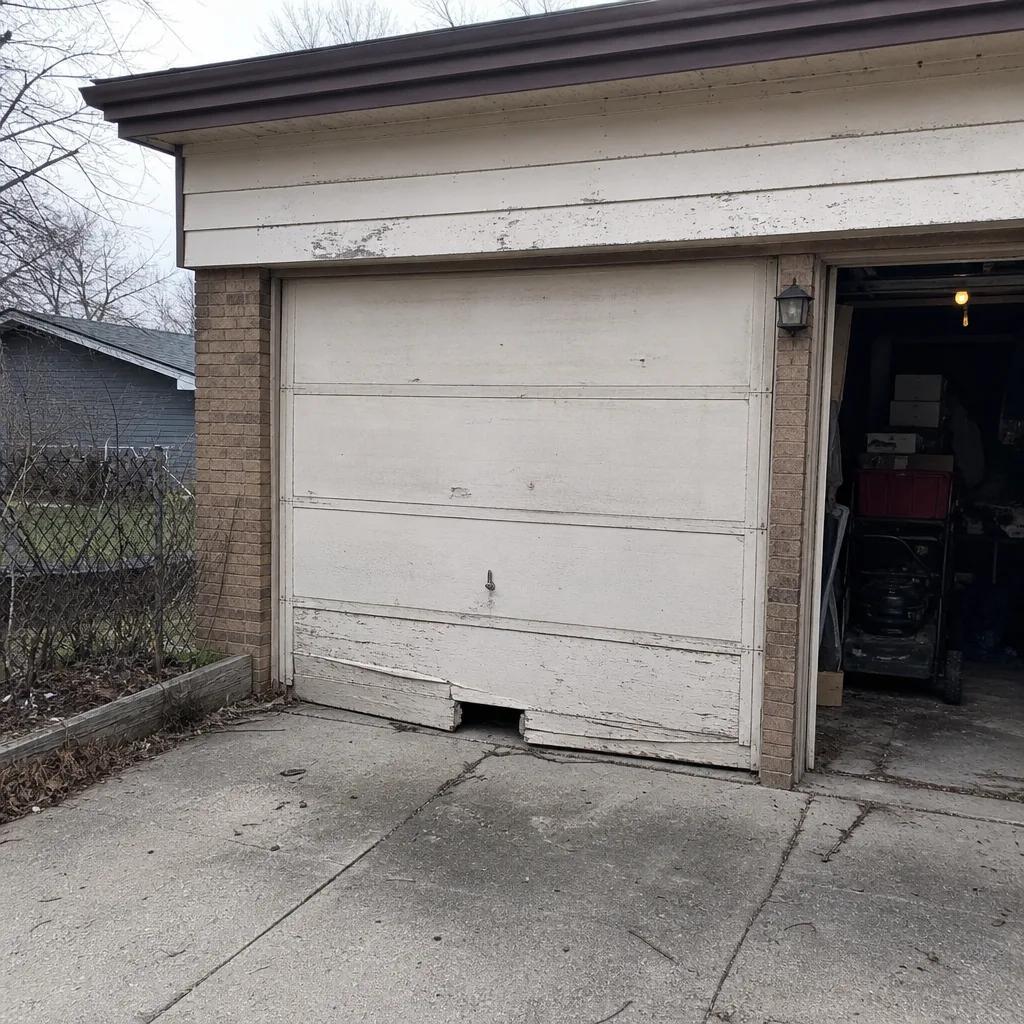 Before
 After
 Before
 After
When to Call a Professional
Some jobs belong to a trained technician no matter how handy you are. Any contact with a torsion or extension spring, any cable fray, kink or off-center wind, any door that will not balance on its own when opened by hand, any door that has dropped or is closing at an angle, any opener that trips its own breaker or needs force-limit adjustment to close, and any time the door has made a crack or snap sound: those are technician calls. Our garage door specialist team at Schaumburg Garage Door Repair Pros offers free estimates in Schaumburg. We work on the brands most Schaumburg homes have in the garage, including LiftMaster, Chamberlain, Genie, Clopay, Amarr, Wayne Dalton, Craftsman and Raynor, so we already know the system in your garage rather than approximating it. Call (888) 804-6431. We answer 24/7. Fast dispatch from 7am to 7pm, Sunday through Friday, with same-day service for the situations that can’t wait. Every price is quoted and agreed before any work begins.
Frequently Asked Questions
A full safety and force test should be done monthly, along with a visual inspection of cables, springs, hinges and rollers. A deeper professional inspection of the springs and cables should happen once a year, ideally in autumn before the cold sets in. The reason for the seasonal timing is that Illinois temperature swings are hardest on the springs, and the autumn inspection catches a weakening spring while it’s still a scheduled repair rather than a winter emergency.
On torsion spring systems, no. The springs are under heavy tension, and reaching them to apply lubricant safely requires knowing exactly what’s loaded. On extension systems, the spring-to-pulley interface at each end can be lightly lubricated without touching the spring coils. If you’re not sure which system you have, or you want the springs lubricated, a technician handles it as part of a service visit. Call (888) 804-6431 for an exact quote, and the estimate is free.
Cold contracts steel, thickens lubricant and stiffens every moving part, so a small amount of added heaviness on cold mornings is normal. What isn’t normal is a door that steadily needs more opener force, stops halfway, or trips the opener’s breaker on cold days. Those are signs that a spring, roller or cable has weakened past its threshold, and the door should get a professional look before it’s cycled again. The cold didn’t cause the problem; it revealed one that was already developing.
The brand is printed on the head unit, usually on the back or side of the motor housing, and the model number is on a sticker near the same spot. LiftMaster, Chamberlain, Genie, Craftsman and Raynor are the most common brands we see in Schaumburg homes, and each has slightly different locations for its force adjustment and its safety-reverse test. If you can read the brand and model, we can tell you the exact controls for your unit before you test.
No, provided the homeowner sticks to the tasks the manufacturer treats as user-level: cleaning, lubrication at the friction points, the safety-reverse test and a visual inspection. What can affect a warranty is opening the opener’s head unit beyond the manufacturer’s instructions, adjusting torsion spring tension without a trained technician, modifying the tracks or panels, or replacing manufacturer parts and then claiming a failure traced to the aftermarket part. Keep a record of any professional service for the same reason: a documented history makes any later warranty claim easier.
Yes, same-day service is available for the situations that can’t wait, including a door trapped at an angle or a spring that’s let go. Call (888) 804-6431. We answer 24/7. Fast dispatch from 7am to 7pm, Sunday through Friday. A call outside dispatch hours is booked into the next opening. Every price is quoted and agreed before any work begins, so there’s no surprise on the invoice after the door is fixed.
The Bottom Line
A garage door maintenance routine isn’t about doing more chores; it’s about doing the right ones in the right order. Start with friction and fasteners, catch cable fraying before it becomes a door drop, leave springs and tension to a trained technician, test your opener’s safety reverse and force limits every month, and pay attention to the seasonal thresholds that Illinois weather puts in front of every Schaumburg door. Handle the safe tasks yourself and call a specialist for the rest. Our technicians have up to 10 years of experience, and every one of them works on garage doors only, so the depth is there when you need it. If a task in this checklist feels beyond a homeowner’s reach, that’s not a weakness; that’s the checklist working as intended. You can start with our Schaumburg Garage Door Repair Pros team for a safe inspection and a written estimate.
Contact Schaumburg Garage Door Repair Pros at (888) 804-6431 for a free estimate. We answer 24/7. Fast dispatch from 7am to 7pm, Sunday through Friday. Same day. Same door. Same system. Fixed right.
Written by the team at Schaumburg Garage Door Repair Pros.