
Last updated November 23, 2026
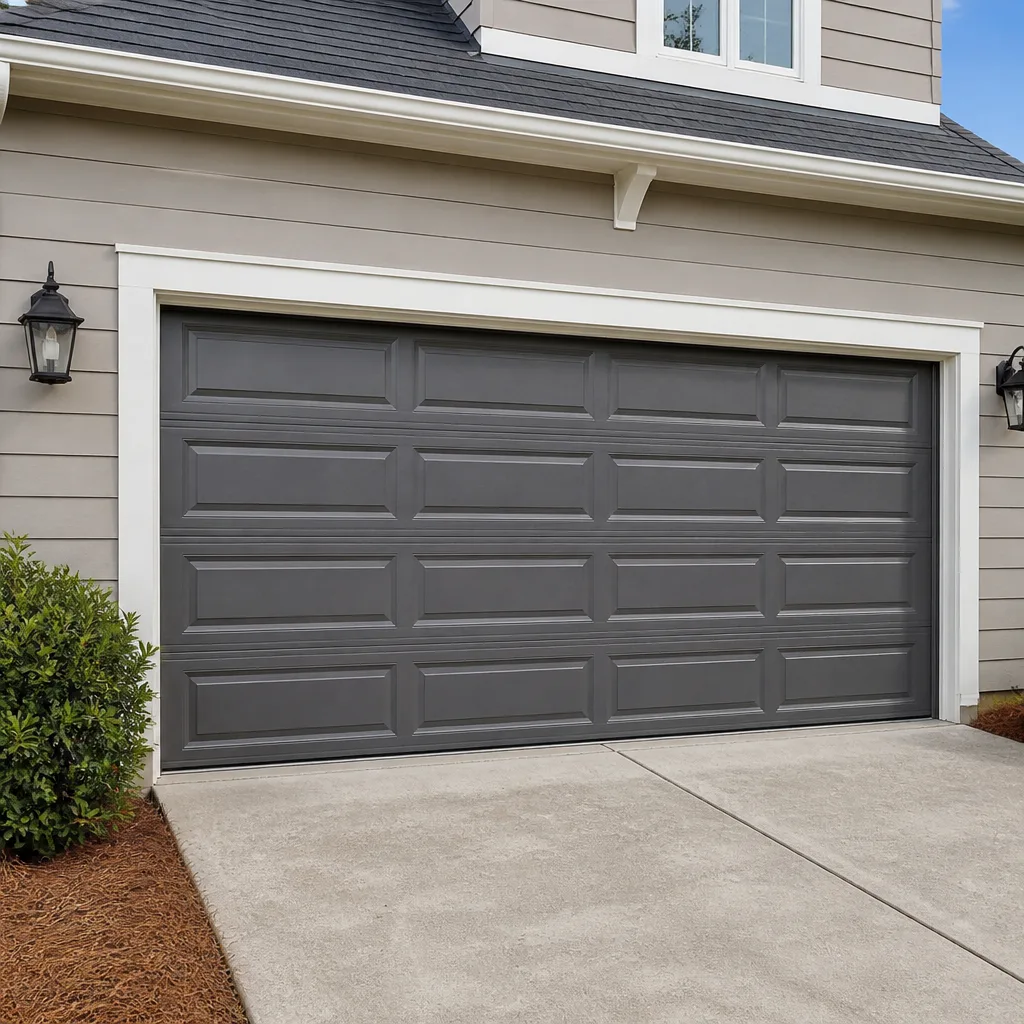 Raised-panel steel
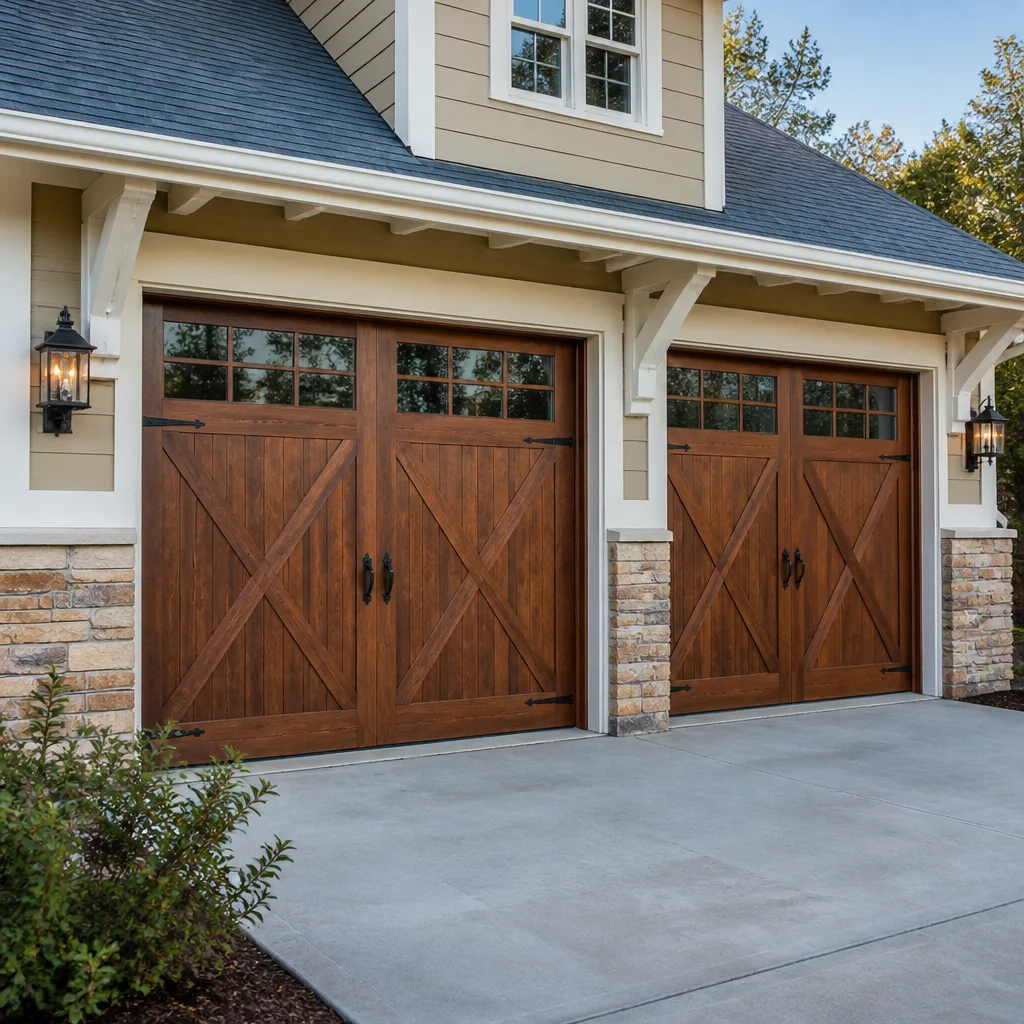 Carriage house
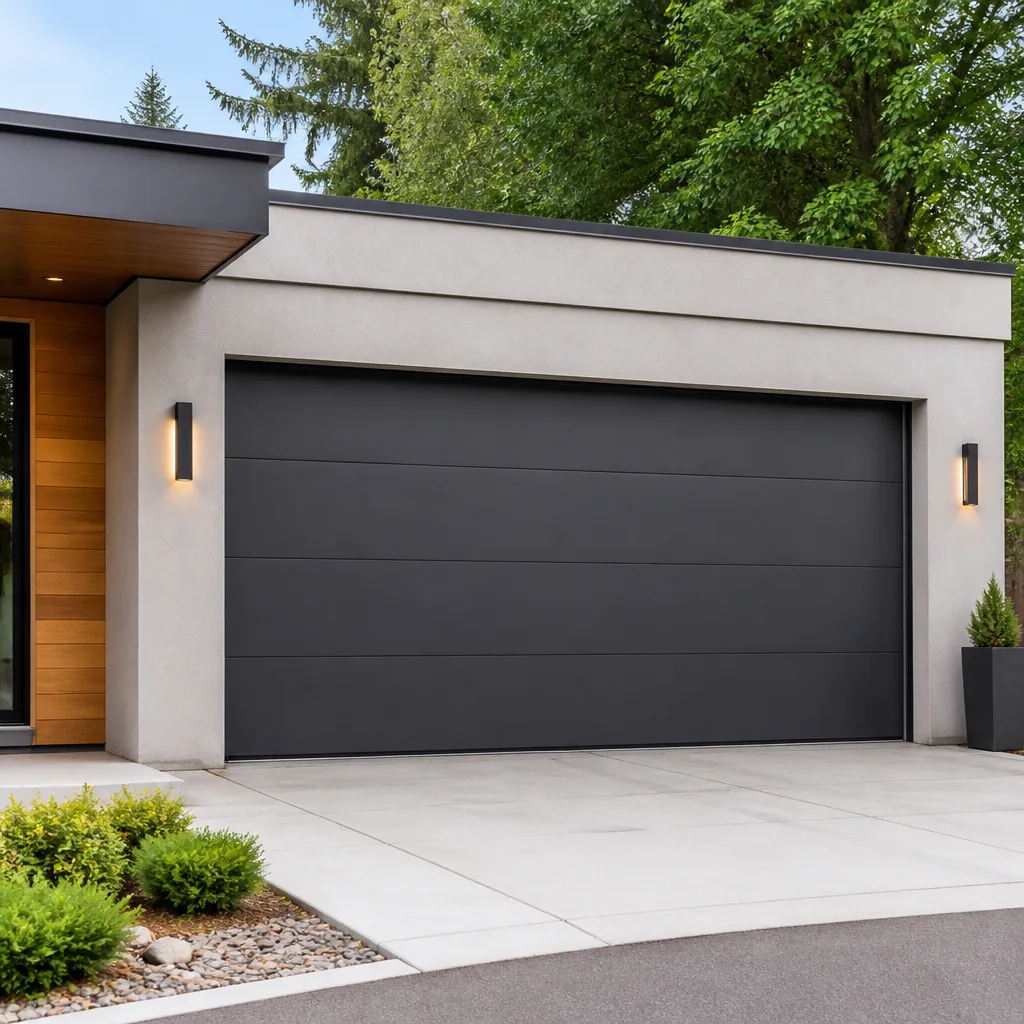 Modern flush
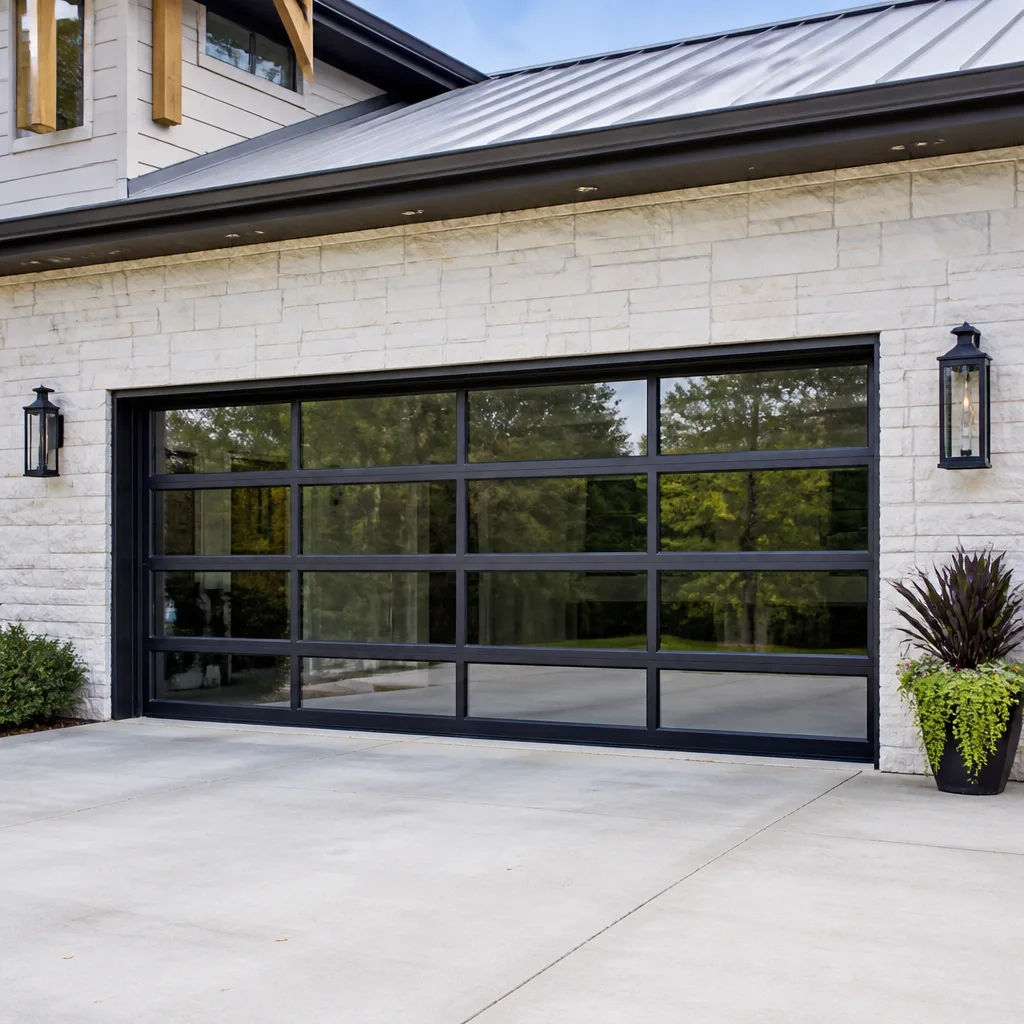 Full-view glass
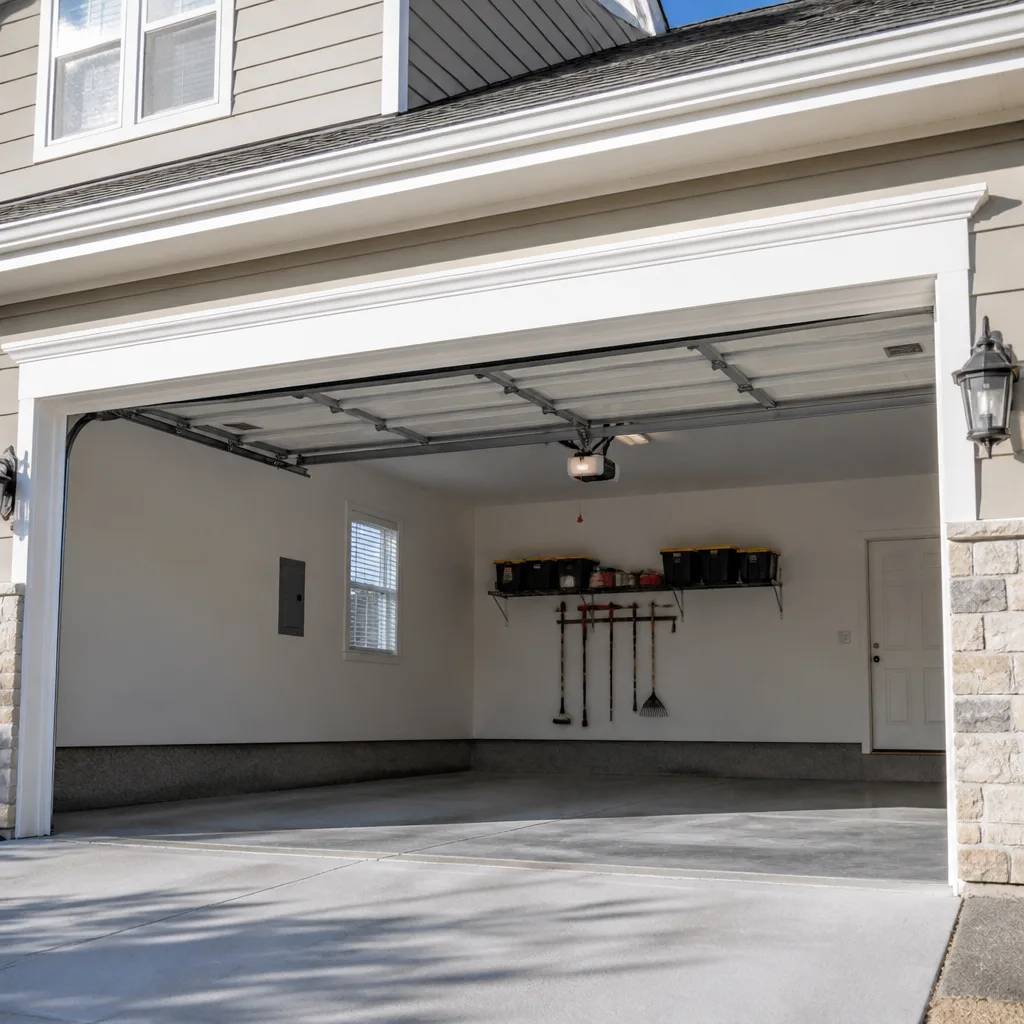 LiftMaster openers
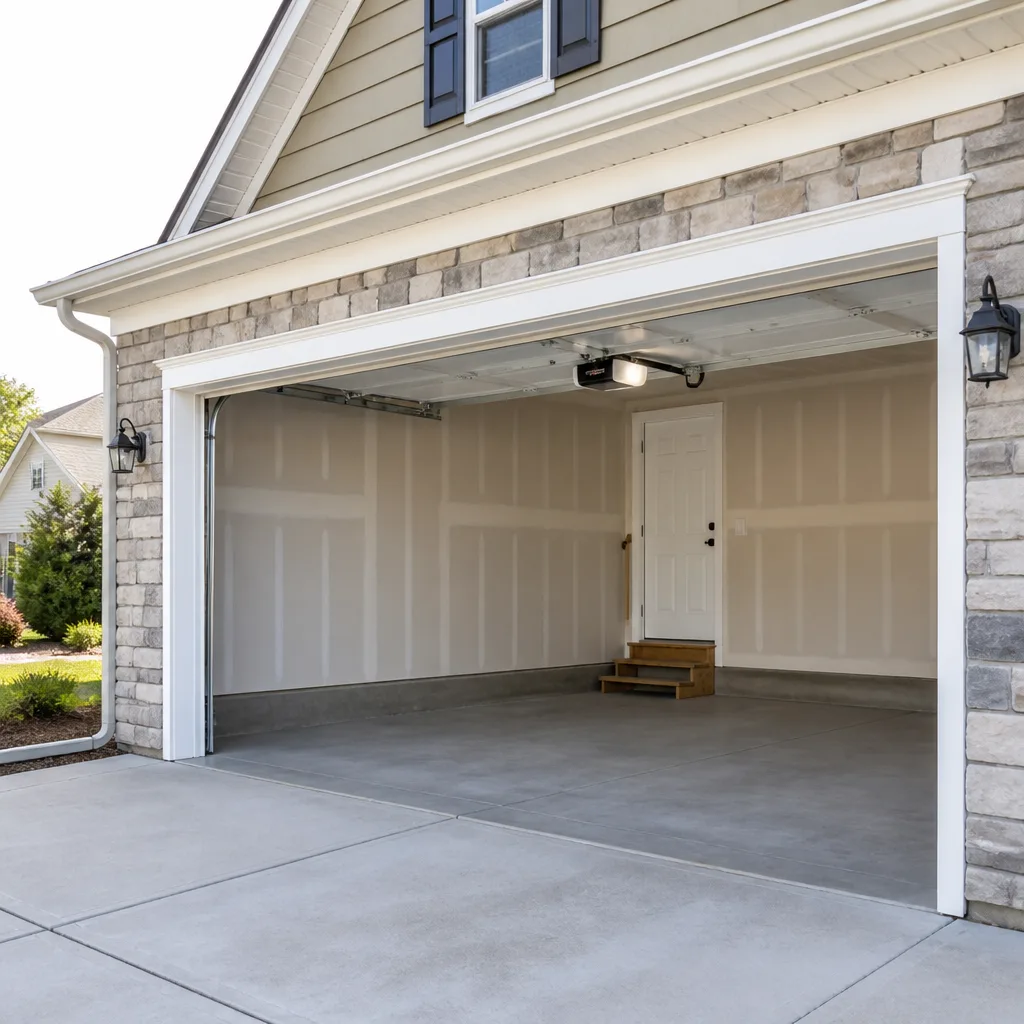 Chamberlain openers
Full 25-point door and opener safety check with every visit - springs, cables, rollers, tracks, and your LiftMaster or Chamberlain opener included
You get a price before we start. It does not change when the pro arrives.
Get your free estimateGarage Door Warning Signs: A Schaumburg Homeowner’s Reference Guide
“My door shudders on the way up.” “My door jerks when it starts.” Most homeowners would call those the same problem. To a technician, they point to completely different components, and one of them means the door should stay down until someone looks at it. That’s the trouble with most warning sign lists: they tell you what a failing door looks like but not what it means. This guide translates each symptom into the part that’s actually failing. You’ll learn which noises belong to the opener and which belong to the door, which three signs mean stop using it today, and why a door that “only glitches now and then” is often the most urgent call of all. Everything here is written from what we see on Schaumburg doors, in a housing stock and climate that produce a few very predictable failure patterns.
Quick Answer
The most serious garage door warning signs are a door that closes crooked and doesn’t line up with the floor, a panel with a visible gap in the spring coils, and a door that free-falls or won’t stay up when you lift it halfway. Any of the three means stop using the door immediately and call a specialist. Every other warning sign – grinding, shuddering, reversing, a remote that works only up close – is worth monitoring and diagnosing, but rarely means emergency.
Styles & brands we work with
- Raised-panel steel
- Carriage house
- Modern flush
- Full-view glass
- LiftMaster openers
- Chamberlain openers
Table of Contents
- Symptom to Component: What Each Sign Actually Means
- The Three Signs That Mean Stop Using the Door Now
- Opener Problem or Door Problem? How to Tell Without Tools
- Why Intermittent Failures Are More Urgent Than Constant Ones
- Visual Signs of Imminent Spring Failure
- How Schaumburg Weather Accelerates Wear
- Your Maintenance Check: The Five-Minute Monthly Walk-Around
- How to Describe the Problem So You Get Fixed Right the First Time
Symptom to Component: What Each Sign Actually Means
A garage door is a balanced system: springs carry the weight, cables and drums guide it, rollers ride in tracks, and the opener lifts what the springs have already made nearly weightless. When something sounds or feels wrong, it’s almost always one of those four subsystems. Knowing which one helps you describe the problem accurately and understand roughly how serious it is. Here’s how we translate the most common complaints.
- A shudder on the way up: almost always a balance or track problem – a worn roller, a bent track section, or springs that have lost some of their lift. The door is fighting the hardware.
- A jerk at the very start: frequently a logic or force-setting issue in the opener, or a sticky first roller. The motor is starting hard because it’s being asked to lift before the door is free.
- A grinding or scraping sound: metal-on-metal, usually a dry hinge, a failing bearing, or a roller that’s seized and skidding in the track instead of rolling.
- A banging or popping sound: the sound of a cable jumping a drum, or the door slamming down because the down limit is set too far. Both cause damage over time.
- A door that lifts a few inches and stops: the opener’s force limit is doing its job and refusing to lift more than the door’s weight. Something is binding, or a spring has failed.
- A door that reverses before touching the floor: usually an obstruction in the safety sensor beam, or a misadjusted down limit. Sometimes it’s a travel module on the opener.
- A remote that only works close to the door: usually a battery, antenna, or interference issue at the opener, not a door problem at all.
Descriptions like these are worth more than a guess at the brand. If you can tell a technician the door shudders on the way up, not that it “makes a weird noise,” you’ve already narrowed the search. That’s true whether the door is a Wayne Dalton or a LiftMaster system, and it’s true in Schaumburg as anywhere else.
The Three Signs That Mean Stop Using the Door Now
Three specific warning signs are not “monitor and watch” signs. They are stop signs, and the door should stay down until a trained technician has seen it. The reason is simple: the components behind these symptoms are under high tension, and a failure mid-cycle can send hardware flying or drop several hundred pounds of door.
- The door hangs crooked, one side higher than the other. A door that closes at an angle is usually a broken spring on one side or a slack cable. Running the opener anyway forces the motor to lift the full weight on one side, which can bend the center bracket, jump a cable off its drum, or pull the door out of the tracks entirely.
- You can see a gap in the spring. Look at the torsion spring above the door (the coil running horizontally) or the extension springs along the sides. A visible gap in the coil, or a spring that looks stretched out and separated, means it has broken. Never try to open the door to “see if it still works.” It can drop.
- The door won’t stay up when you lift it halfway by hand. With the opener disengaged, a healthy door should hold its position at any point. If it drops, or if you have to strain to lift it, the springs have lost their tension and can no longer balance the door. This is also the moment to stop: springs are the most dangerous component in your garage door system, so that check itself should be done with the door disengaged and with care, or left to a technician.
If any of these three are present on your Schaumburg door, leave the car outside, close the door if it’s safe to do so, and call a specialist. We answer 24/7 at (888) 804-6431, and dispatch runs 7am to 7pm, Sunday through Friday. For a system this heavy, it’s not worth testing your luck.
Opener Problem or Door Problem? How to Tell Without Tools
You can separate an opener issue from a mechanical door issue in about a minute, without a single tool, using the manual release. It’s the red pull cord hanging from the opener rail. Pulling it disengages the opener and leaves you moving the door by hand. What the door does in your hands tells you where the problem lives.
Pull the release, then:
- Lift the door by hand. If it moves easily and stays put where you leave it, the door’s balance is healthy and the problem is likely in the opener: a force setting, a travel limit, a logic board, or a sensor.
- Lift it and feel for binding. If the door fights you, grinds, or stops partway, the problem is in the door’s hardware: rollers, tracks, or springs. Running the opener against a binding door only wears the motor faster and can strip the drive gear.
- Re-engage the opener carefully. Slide the door to a position where the trolley lines up, then re-engage. If the door swung down or fell while released, don’t re-engage – call for help and don’t run the opener again.
This single test settles the most common disagreement in a household: whether the motor is dying or the door is broken. In our experience across Schaumburg, it often turns out the motor is fine and the door was never the problem – or the reverse. Older Craftsmans and Raynors are especially likely to fail at the opener’s logic board while the door hardware is still perfectly sound. If the door passes the manual test and the opener still misbehaves, that’s a signal to bring in garage door opener repair rather than a door repair crew. If the door itself binds or jerks, it’s a mechanical door call. That distinction alone saves homeowners time and often money.
Why Intermittent Failures Are More Urgent Than Constant Ones
A door that fails every single time tells you exactly where it stands. A door that “works fine most of the time” is the one we worry about. Here’s why: intermittent symptoms almost always come from a component that’s degraded but not yet failed – a failing limit switch, a partially frayed cable, a loose mounting bracket, or a spring that’s lost just enough tension to bind only under certain temperatures. Each of those is a hazard waiting to fail catastrophically at the worst possible moment.
The pattern to watch for is a door that misbehaves in specific conditions. We see this a lot in Schaumburg for three reasons:
- Temperature swings. A spring that works at 65°F on a fall morning may not lift a door at 10°F in January. Cold, brittle springs fail under load, which is why someone’s door works all fall and suddenly won’t open on a cold morning.
- Seasonal moisture. Tracks and hinges pick up condensation through freeze-thaw cycles, and the resulting binding is intermittent. A door that grinds only in wet weather is telling you about rust or misalignment, not a motor problem.
- Doors that are used heavily, then not at all. A door that runs ten times a day can develop a small binding that only shows after a long weekend away, because the parts have settled into a slightly different position.
A consistently failing door is annoying. An intermittently failing door is a symptom that has already been diagnosed as “not quite failed yet,” which is exactly the window worth acting on. If your door fails two or three times in a month, don’t wait for it to fail permanently; that’s a call for a trained eye.
Visual Signs of Imminent Spring Failure
Springs are the part of your garage door system that carries the most weight and, in our experience, fails without much warning. But there’s a short list of visual signs that a spring is on its way out, and every Schaumburg homeowner should know them, especially before a cold snap.
- A gap in the coils. Torsion springs look like a tight, even coil. If you see a visible gap, the spring has snapped or lost tension. Stop using the door.
- Visible rust or pitting on the coils. Rust eats into the steel and speeds up fatigue. A spring with rust streaks on it is measurably closer to failure than a clean one.
- Extension springs without safety cables. Older doors in Schaumburg’s 1970s and 1980s subdivisions commonly have extension springs along the sides with no safety cables running through them. If one of those springs breaks, it can fly across the garage. If you see this setup, that’s a real safety issue worth addressing with a licensed professional.
- A sagging door with the motor disengaged. If the door hangs a little low on one side with no load on the opener, the spring on that side may have lost tension. You don’t need to test this repeatedly; once is enough.
- Frequent resets of the opener’s force limit. When the opener keeps hitting its force limit and reversing, it’s telling you the door suddenly weighs more than it did last week. A failing spring is the most common reason.
The reason to know these signs isn’t so you can diagnose the problem yourself: it’s so you can recognize the moment to stop. Springs are the most dangerous component in your garage door system, and spring replacement is one of the few garage door jobs we don’t recommend for a homeowner. When you see any of these, close the door and call for garage door spring repair. A trained technician can tell whether it’s a single spring or a matched pair that needs replacement, since those usually wear together. A typical single-spring repair in Schaumburg runs about $180 to $340, and a matched pair costs roughly twice that.
How Schaumburg Weather Accelerates Wear
Garage doors in Schaumburg see roughly normal Midwest seasonal swings, but a few weather realities here speed up the wear on certain components and slow it on others. Knowing what’s seasonal helps you decide whether a symptom is a routine cleaning issue or a real problem.
Fall and winter cold is the big one. Springs get brittle as temperatures drop, and the tension that’s fine in September becomes excessive in January. This is why spring failures cluster in the coldest weeks. Tracks also shrink slightly in cold weather, and a track that’s just barely out of alignment in the fall can bind seriously in the winter. Roller bearings that are already dry get stiffer. If a door works all summer and declines all winter, that’s a signal the hardware is at its limit.
Springtime is a different problem: freeze-thaw cycles leave condensation on the metal parts, and that moisture finds its way into hinges, bearings, and the bottom panel. We see more sticking doors in spring than in any other season. That’s a call about cleaning and lubrication, not a replacement.
Summer brings its own issue: heat causes the door panels to expand slightly, which can pull a door out of alignment with the frame if the tracks are already loose. Schaumburg homes with west-facing garages get the brunt of it.
None of this means you should panic every season. It means a monthly look at the door – spend five minutes on what’s listed in the next section – catches the changes before they become breakdowns.
Your Maintenance Check: The Five-Minute Monthly Walk-Around
A quick walk-around once a month finds most early warning signs before they cause a breakdown, and you can do it without tools beyond your own two hands. It’s not a substitute for a trained inspection, but it catches the obvious things and gives you a vocabulary for describing them.
- Look at the springs. Check for gaps in the coils, rust streaks, and extension springs without safety cables. This is the most important step – it takes ten seconds and catches the shutdown-grade failures.
- Run the door and listen. Open and close it once. Note whether it shudders, jerks, grinds, or bangs. Note whether it’s smooth or stiff.
- Watch the door as it closes. Does it line up evenly with the floor, or is one side higher? Does it touch down smoothly, or bang?
- Check the safety sensors. Look for anything blocking the small photo-eye lenses near the floor on each side, and wipe them if they look dusty. Then test the door’s auto-reverse by placing an object in its path.
- Test the manual release. Pull the red cord and lift the door halfway. Does it stay put? A door that won’t hold position needs professional attention.
- Look at the tracks and rollers. Bent track sections, missing rollers, and rollers that look flat or cracked are all worth addressing before they cause a bigger problem.
Two or three minutes of this catches most of what a professional would look for. The rest – opener logic, spring tension, cable condition – is where the trained eye matters.
How to Describe the Problem So You Get Fixed Right the First Time
Most garage door calls that go wrong start with a vague complaint. “It’s broken” or “it makes a noise” tells a technician almost nothing, and the resulting visit often becomes a diagnostic trip rather than a repair. You don’t have to diagnose your door to describe it well; you just have to notice the details.
Four questions to answer before you call:
- What exactly is the sound, and when does it happen? On the way up? On the way down? Only on cold mornings? At the very start or partway through?
- What exactly does the motion look like? Does the door shake side-to-side? Does it hang crooked? Does it stop partway and reverse?
- Is it consistent or intermittent? Does it fail every time or only sometimes, and if only sometimes, in what conditions?
- What’s the door and opener brand? Knowing whether you have a Chamberlain or a LiftMaster opener, or a Clopay, Amarr, or Wayne Dalton door, helps the technician arrive with the right parts and the right knowledge. It’s the difference between a technician who’s familiar with the actual system before arriving and one who has to learn it on the spot.
We work with eight major brands day in and day out – LiftMaster, Chamberlain, Genie, Clopay, Amarr, Wayne Dalton, Craftsman, and Raynor – so when you can name your brand and describe the symptom, we’re already close to the answer.
Common Mistakes to Avoid
- Assuming every noise is the opener. In our experience, most grinding and shuddering is door hardware, not the motor. Replacing an opener that’s working fine fails to fix the actual problem and leaves a new motor running against binding hardware.
- Keeping the door in use after a spring gap appears. A gap is not “maybe broken”; it’s broken. Running the opener anyway puts the full weight of the door on the motor and can send a broken spring across the garage.
- Ignoring an intermittent problem because “it works most of the time.” Occasional failures are usually early warnings of exactly the parts that will fail catastrophically later. They’re the point at which acting is cheapest.
- Oiling tracks instead of rollers. Garage doors in Schaumburg collect dust and grit, and oiling the tracks attracts more of it. The rollers, hinges, and pivot points need lubrication; the tracks should be wiped clean.
- Adjusting the opener’s force limit as a “fix.” Turning up the force limit forces the door to overcome a real problem instead of fixing it, and it wears out the motor faster. It’s the equivalent of turning up the radio to cover a noise.
- Assuming your door’s age means replacement is the only option. A 20-year-old door can often be repaired for less than half the price of a new one, especially if only a spring, cable, or roller has failed. Get the diagnosis before you decide.
- Waiting until the car is trapped inside to call. A door that traps a car is one of the most common emergency calls we take in Schaumburg. The five-minute monthly check exists to prevent exactly that situation from happening on a morning when you need to be somewhere.
See the difference
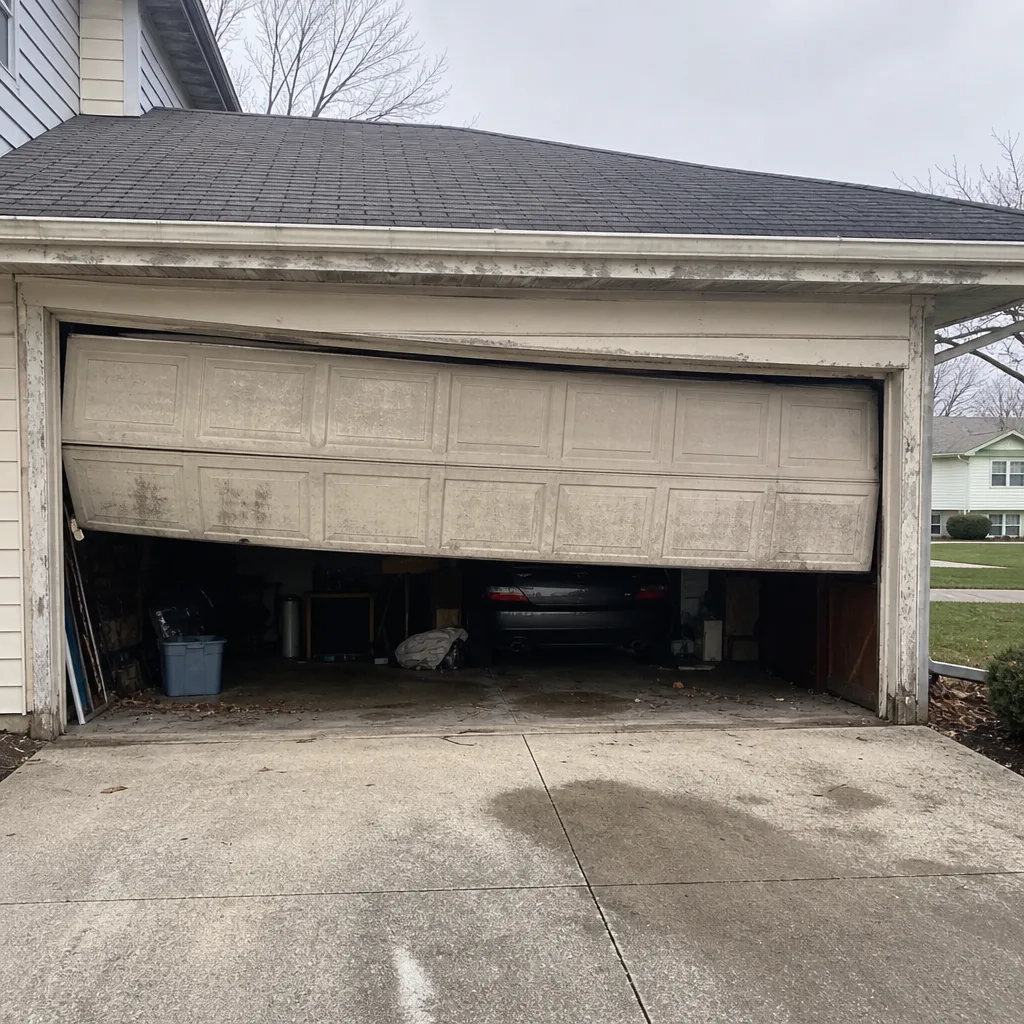 Before
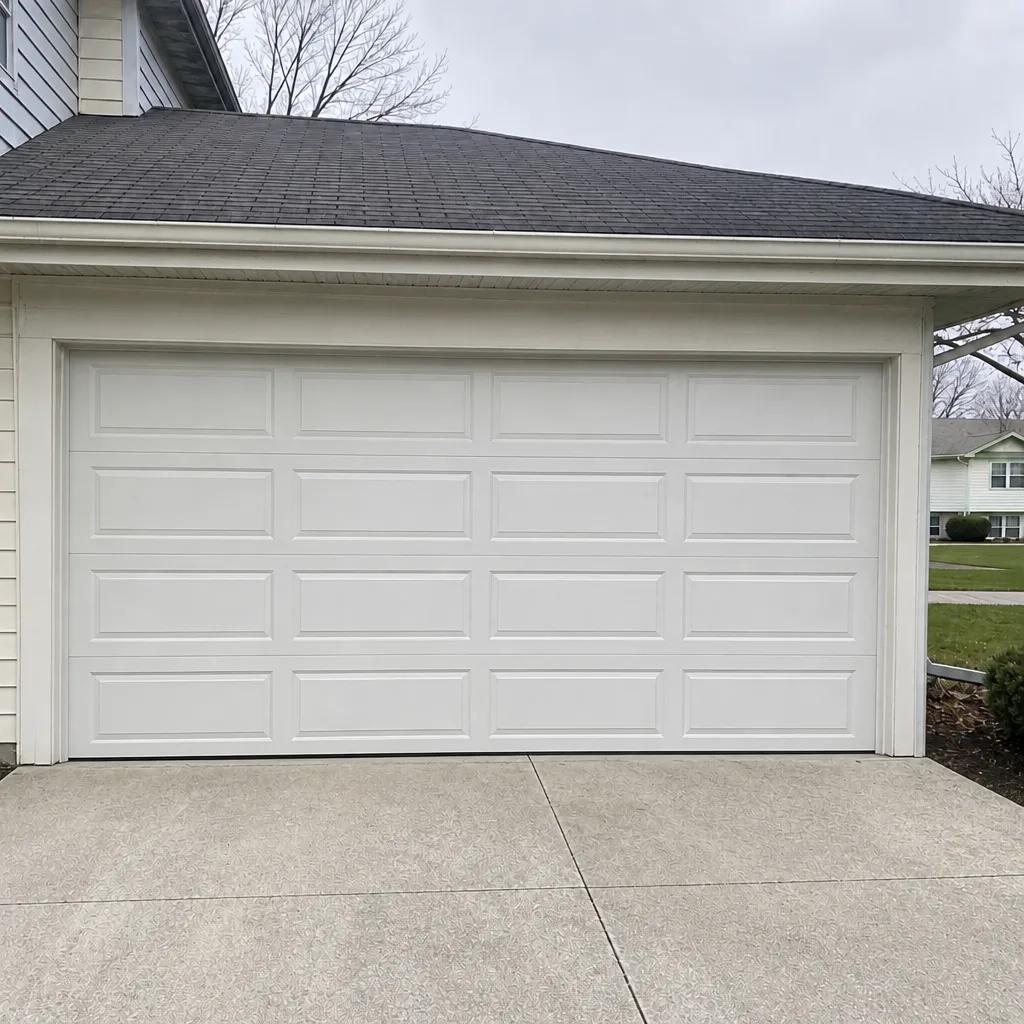 After
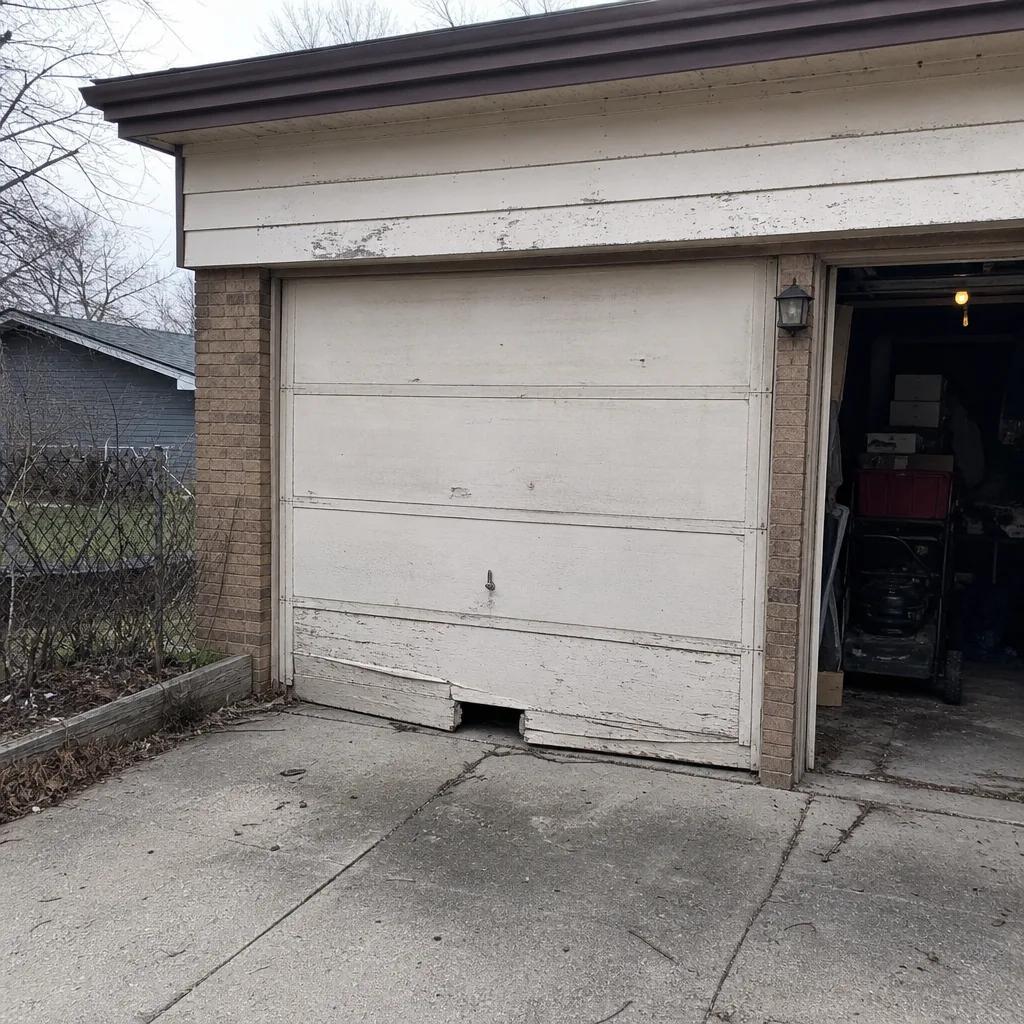 Before
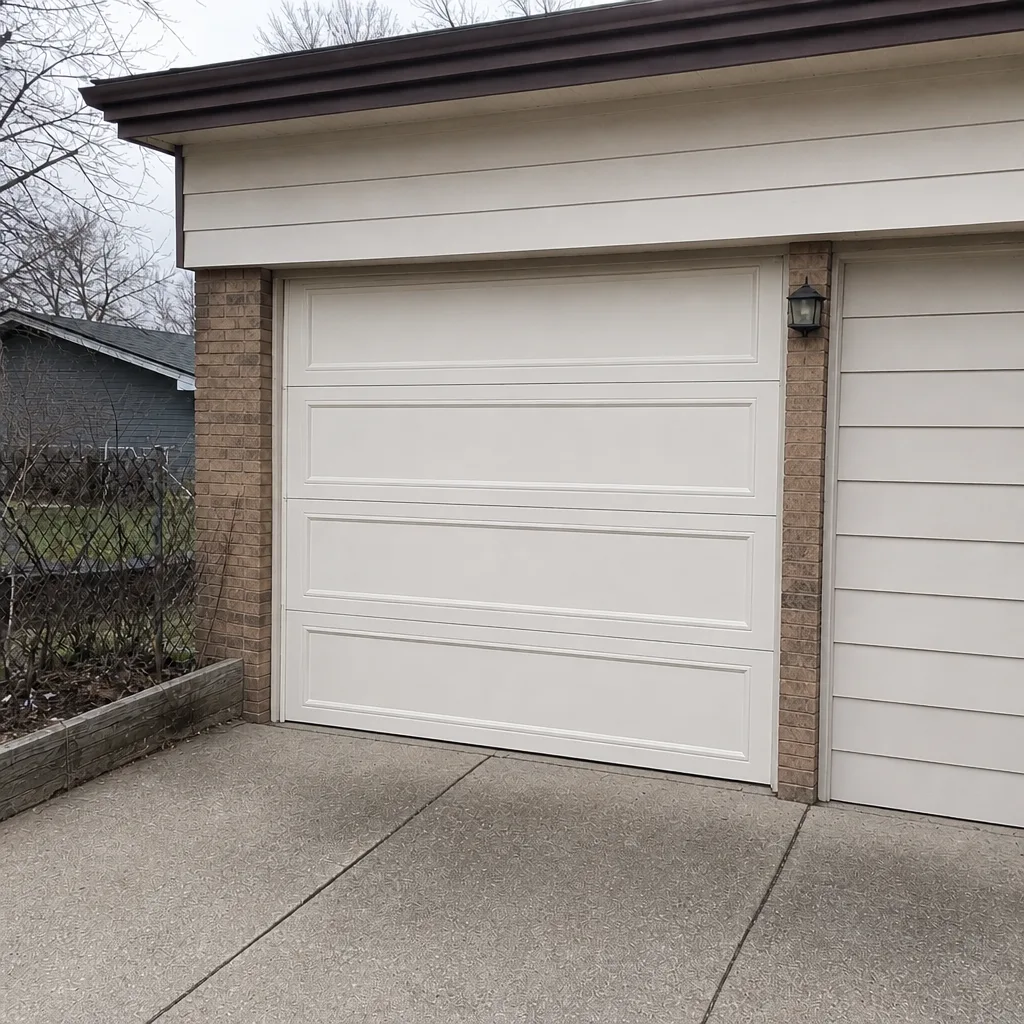 After
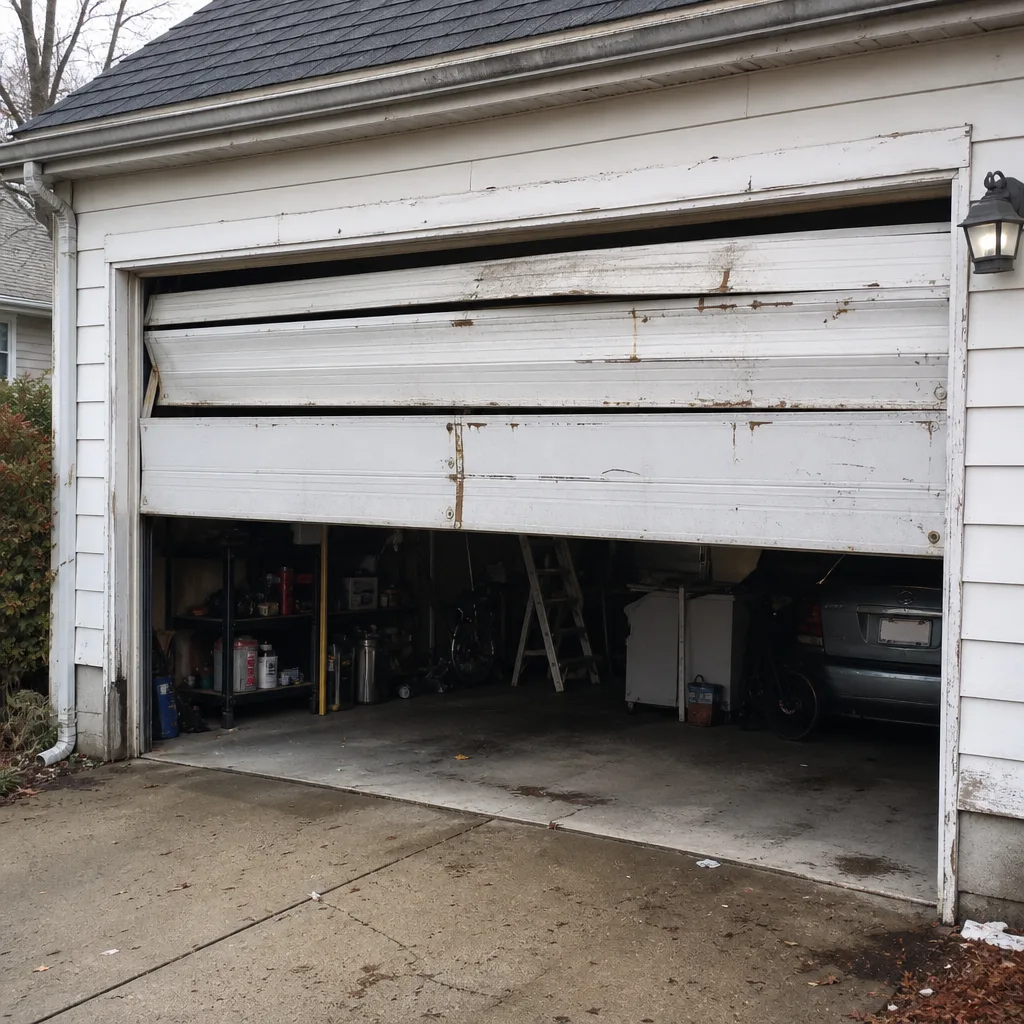 Before
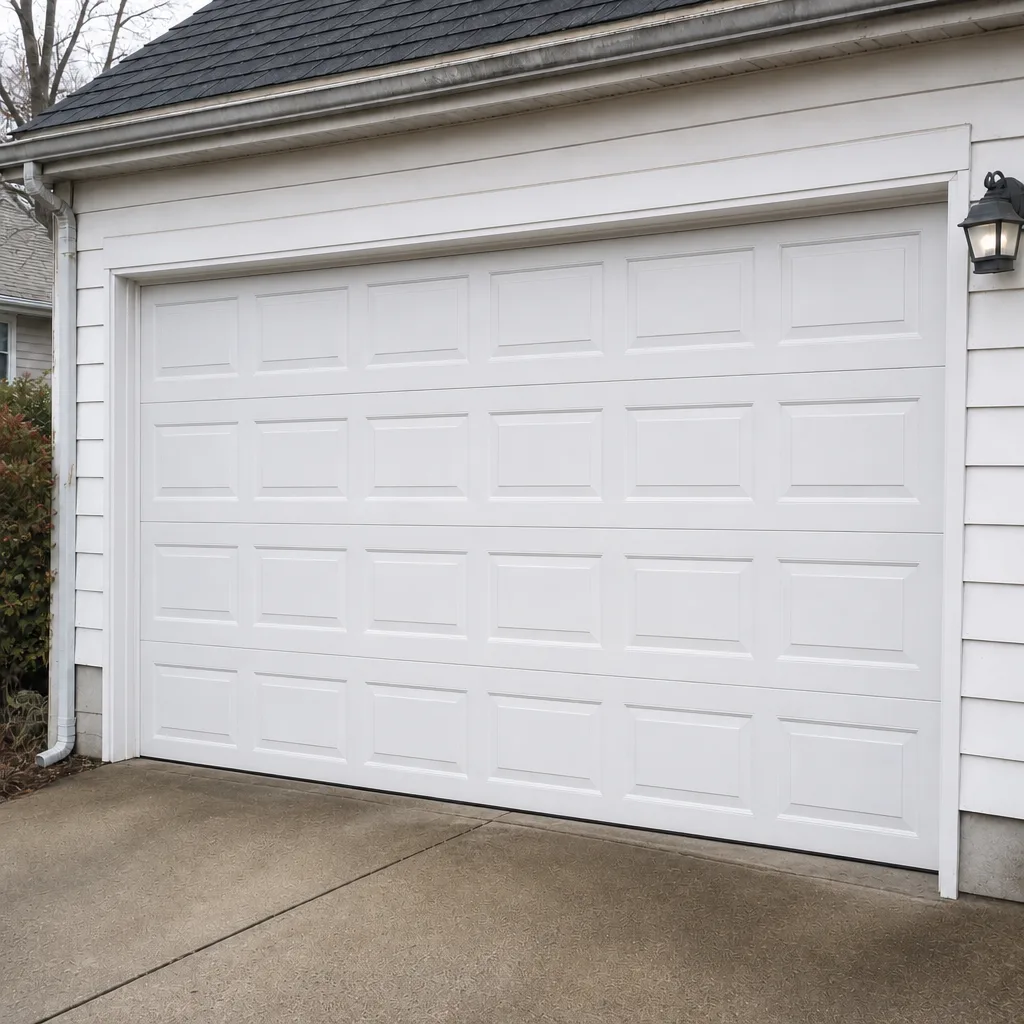 After
When to Call a Professional
You should call a professional for any of the three stop signs in this guide, for any sign of spring failure, and for anything you can’t diagnose yourself. If your door hangs crooked, if you see a gap in a spring coil, or if you can’t hold the door up by hand when disengaged, stop using the door and call. Likewise, if a door is intermittent and you’ve noticed it failing repeatedly, or if you hear banging or popping that sounds like hardware. The line we don’t want you to cross is the DIY one: springs and cables are under high tension and can cause serious injury. For everything else, a trained technician is cheaper and safer than the trial and error. Schaumburg Garage Door Repair Pros offers free estimates in Schaumburg – call (888) 804-6431. Our technicians have up to 10 years of experience.
Frequently Asked Questions
A gap in a spring coil is the worst. It means the spring has already failed, and the door can drop or the opener can overpower the remaining hardware. Stop using the door and call for a trained technician rather than testing whether it still works.
Yes, it’s more urgent than a door that fails every time. Intermittent failures usually come from parts that are degraded but not yet broken, and they’re the parts that cause serious failures later. If a door fails more than a couple of times a month, that’s a call for a professional diagnosis, not a watch-and-wait.
You can look at them, but don’t touch or test them. Visual inspection is safe: look for gaps in the coils, rust streaks, and extension springs with no safety cables. Testing spring tension yourself – or trying to adjust a torsion spring – is the one part of garage door maintenance no homeowner should attempt, because a spring under tension can cause serious injury if released.
Pull the manual release cord and try to lift the door by hand. If it moves easily and holds position, the door is balanced and the problem is in the opener. If it’s heavy, binds, or falls, the problem is in the door’s hardware. Either way, a quick professional inspection confirms it, and if it’s the opener, that’s a job for garage door opener repair.
Cold makes springs more brittle and less able to carry the door’s weight, and it shrinks tracks slightly, which increases binding. Most spring failures in Schaumburg happen during the coldest weeks of winter. If your door works all fall and starts failing when the temperature drops, that’s usually a spring or binding issue, not an opener problem.
A typical single-spring repair in Schaumburg runs about $180 to $340, and a matched pair is usually replaced together, so a pair costs roughly twice that. The written estimate sets the final price after we’ve seen the door and the spring configuration. Call (888) 804-6431 for a free estimate.
The Bottom Line
The warning signs on a garage door aren’t just noise to tune out; each one points to a specific part, and knowing which part helps you decide whether to call today or watch and monitor. The door hanging crooked, a gap in the spring, and a door that won’t stay up by hand are the three stop signs; treat them accordingly and don’t run the opener. Intermittent failures are more urgent than constant ones. And the five-minute monthly check is worth more than any repair, because it catches the springs, tracks, rollers, and sensors before a small problem becomes a breakdown. Same door, same system, fixed right; that’s the goal of every call.
Contact
If you’ve spotted a warning sign on your Schaumburg door, or you’re simply not sure what you’re hearing, call (888) 804-6431 for a free estimate. We answer 24/7, and fast dispatch from 7am to 7pm, Sunday through Friday, gets a technician to your door. We work on the door and opener brands you actually own, so the diagnosis matches the equipment in your garage. Call today for a free estimate, and we’ll tell you exactly what the symptom means. For more on how we handle repairs, see our garage door repair page, or start from Schaumburg Garage Door Repair Pros – the specialist you call when the door won’t move.
Written by the team at Schaumburg Garage Door Repair Pros.