
Last updated November 23, 2026
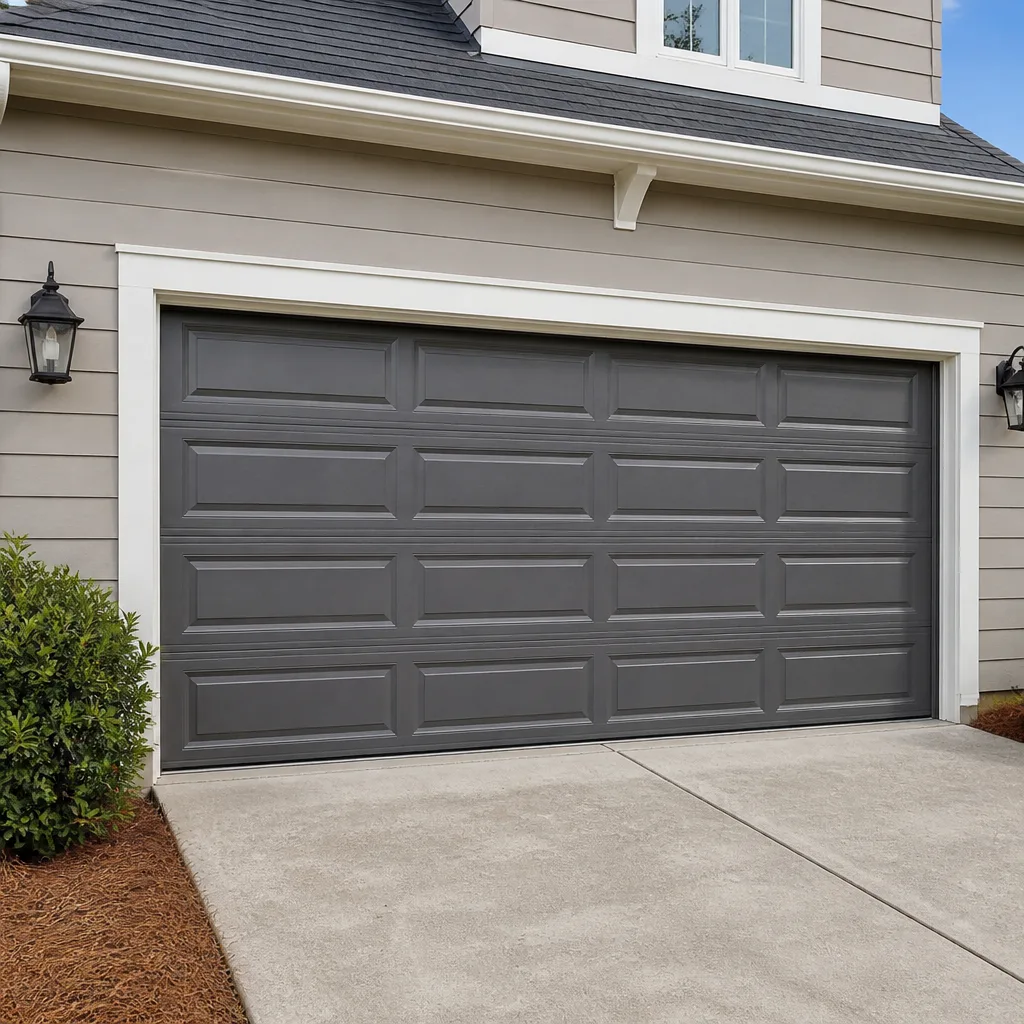 Raised-panel steel
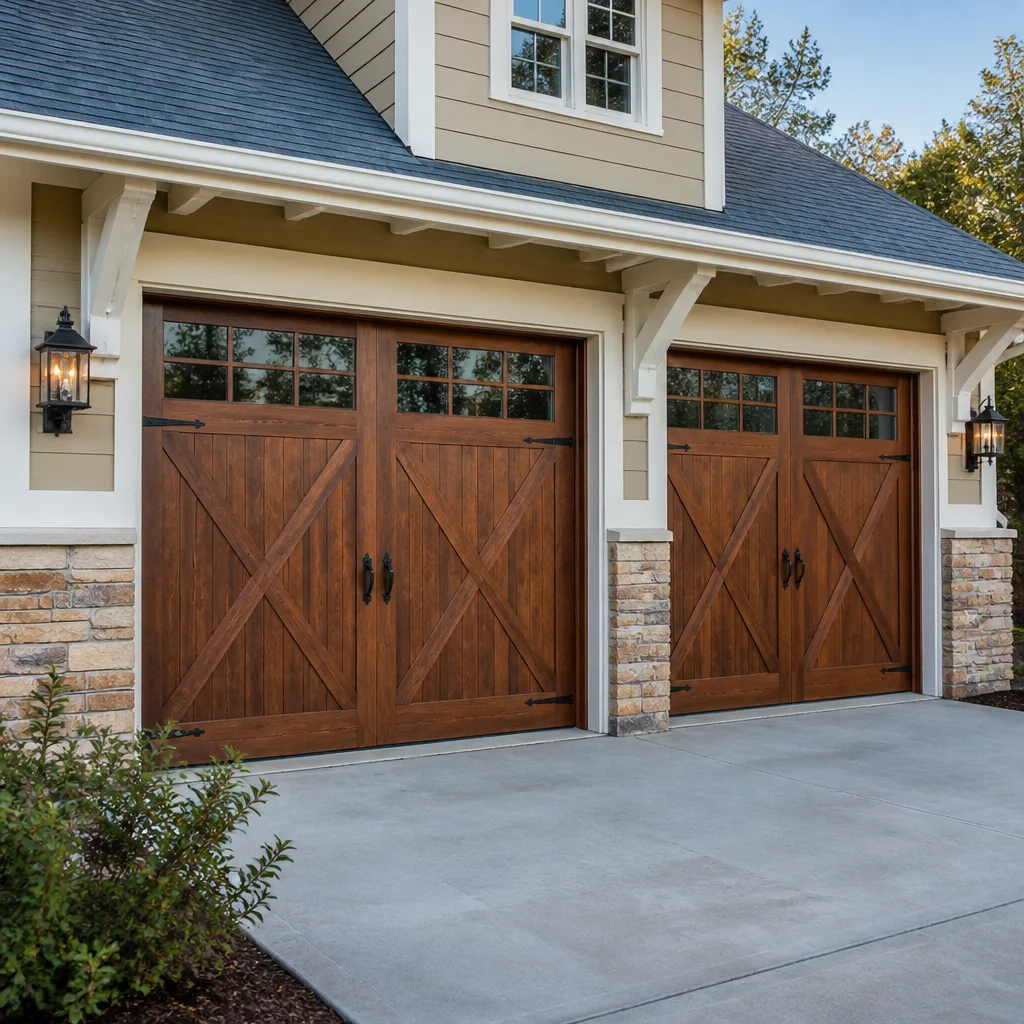 Carriage house
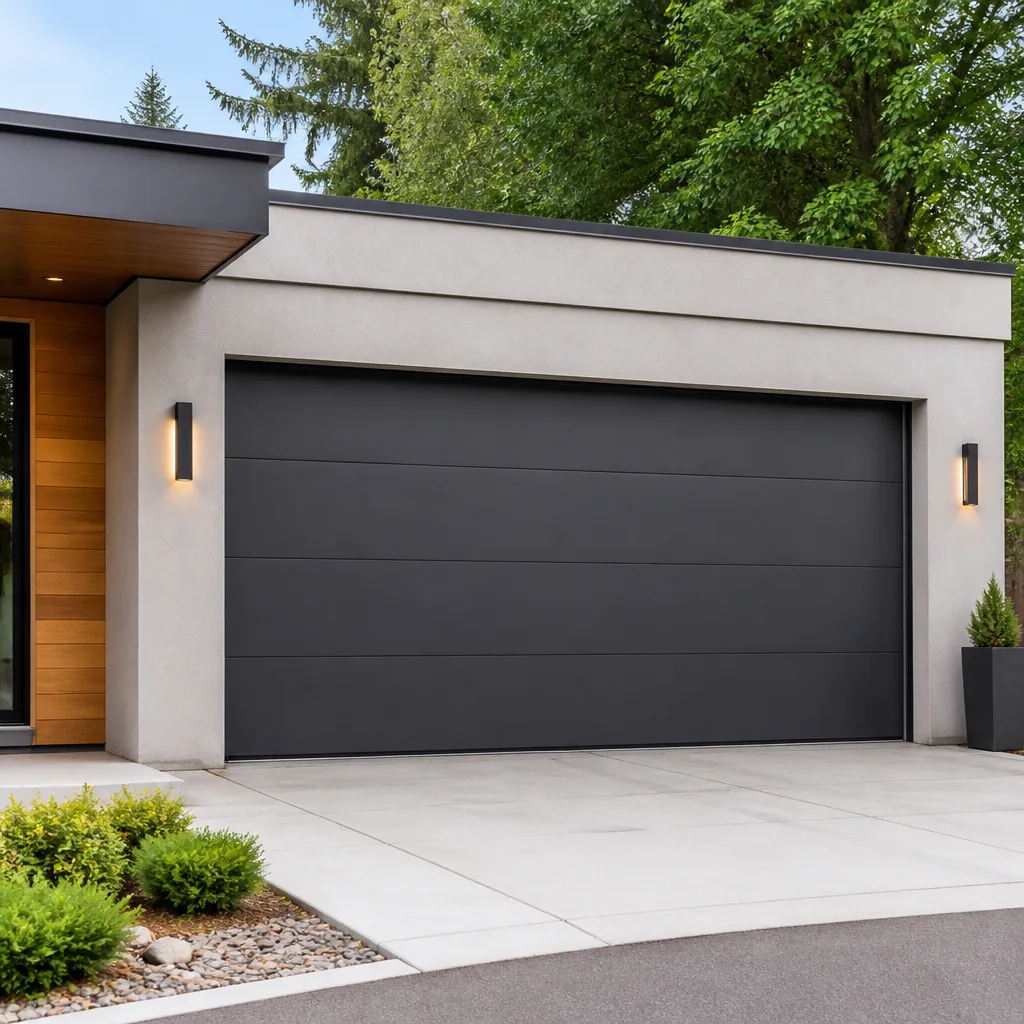 Modern flush
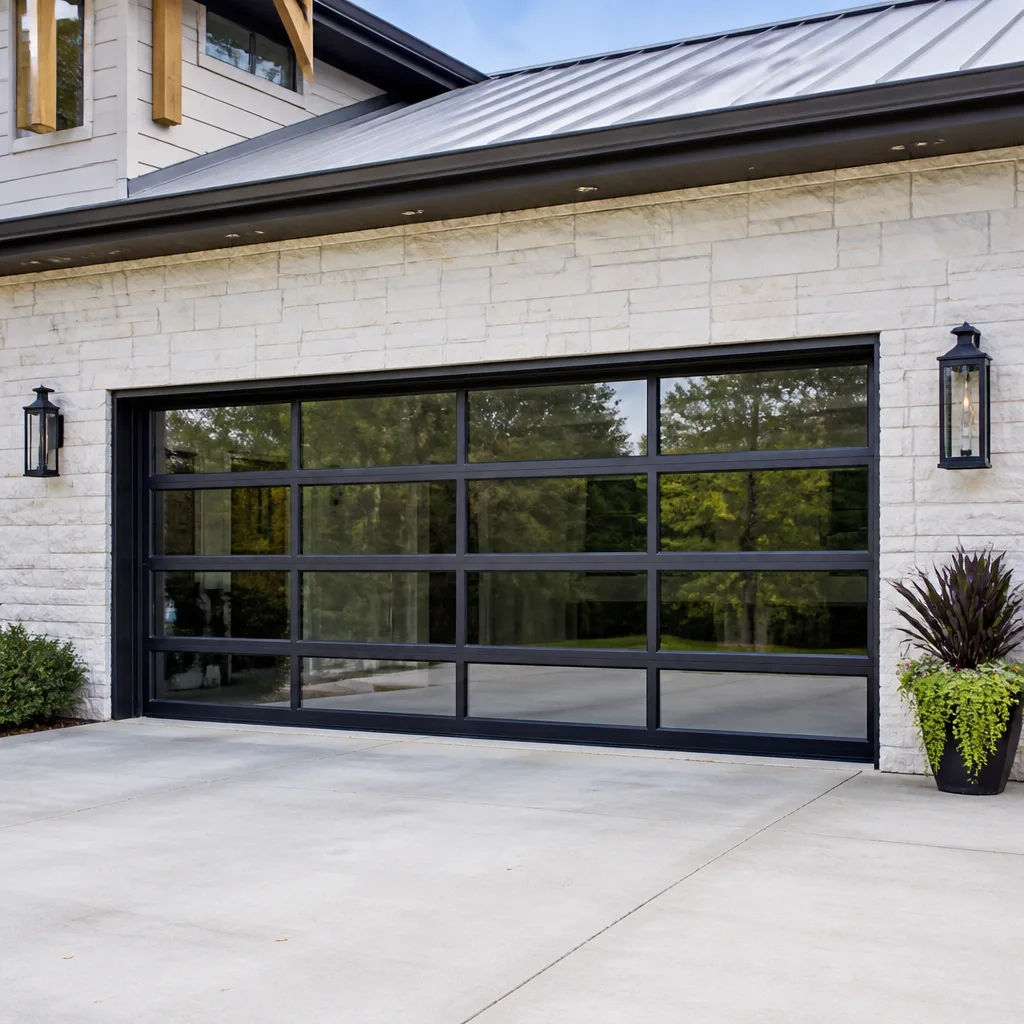 Full-view glass
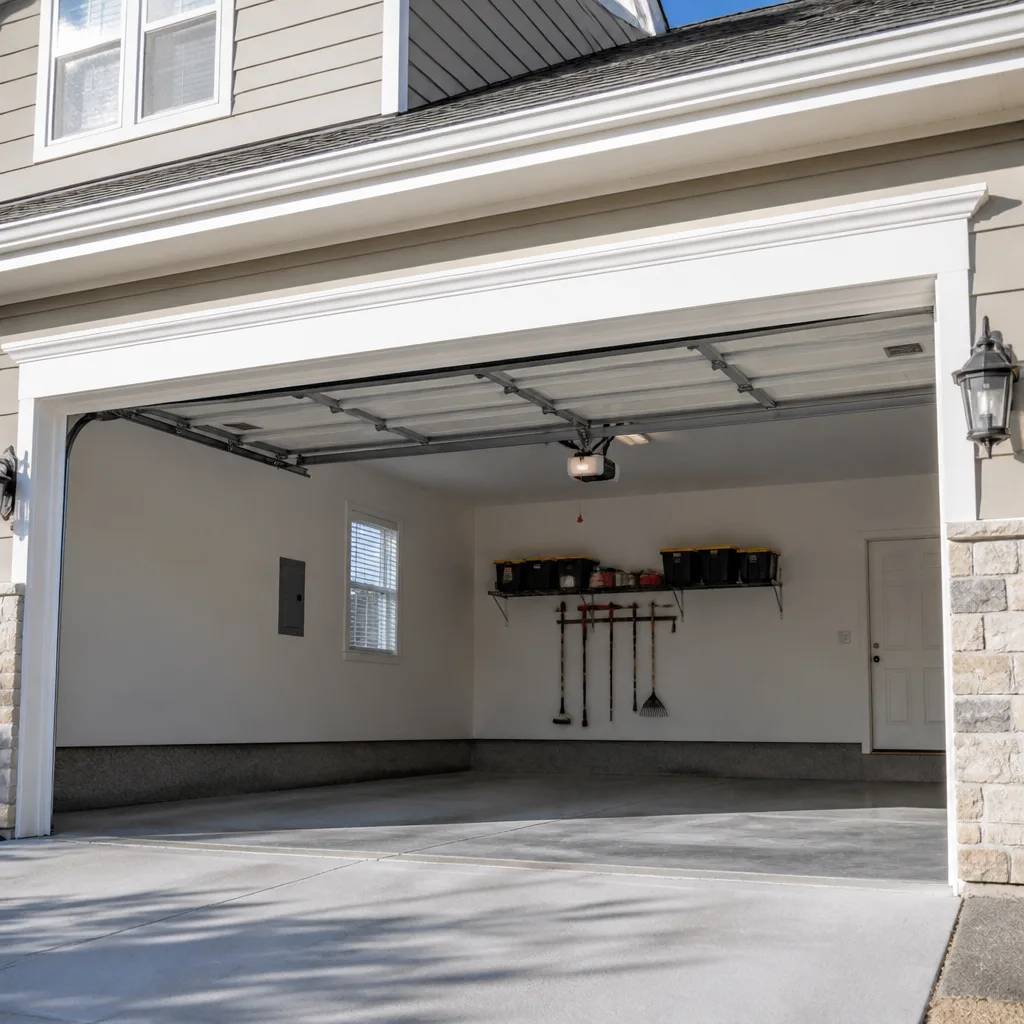 LiftMaster openers
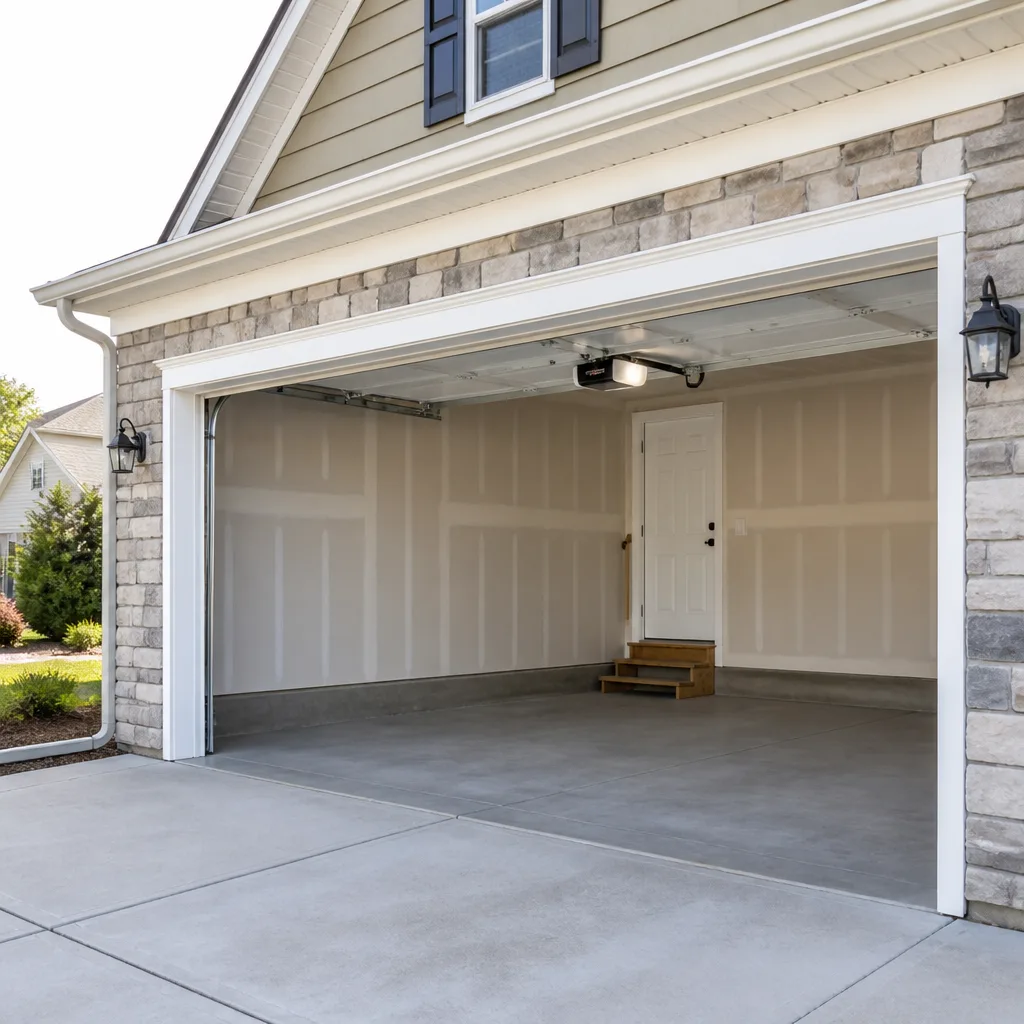 Chamberlain openers
Full 25-point door and opener safety check with every visit - springs, cables, rollers, tracks, and your LiftMaster or Chamberlain opener included
You get a price before we start. It does not change when the pro arrives.
Get your free estimateSeasonal Garage Door Care for Schaumburg: Year-Round Homeowner’s Guide
The garage door spring that breaks in February didn’t fail in February. It failed in September, when summer heat oxidized the lubricant on the coils and left bare metal exposed to the first hard freeze. That’s the part most homeowners miss about garage door care in Schaumburg: the seasons here don’t hand you isolated problems, they hand you a chain. Each season’s neglect sets up the next season’s breakdown, and the cheapest place to break that chain is always one season earlier than you’d expect. This guide walks you through that four-season sequence as it actually plays out in Schaumburg, from the freeze-thaw cycles along the Fox Valley corridor to the way an uninsulated garage cooks an opener board in July.
Quick Answer
Seasonal garage door care in Schaumburg means four timed checkpoints: a fall freeze-prep (lubricate springs, cables, hinges and rollers, and test the balance and safety reverse), a mid-summer heat check (weatherstripping and opener circuit board ventilation), a spring post-winter assessment (bottom brackets, road salt migration and a full balance test), and a late-summer travel-limit and weatherseal tuning before temperatures swing again. Homeowners who catch each checkpoint on time avoid most spring failures, opener burnouts and frame-related tracking problems entirely. It takes about twenty minutes per season, and the fall pass is the one that matters most.
Styles & brands we work with
- Raised-panel steel
- Carriage house
- Modern flush
- Full-view glass
- LiftMaster openers
- Chamberlain openers
Table of Contents
- How the Four-Season Damage Cycle Works in Schaumburg
- Fall Freeze Prep: The Sequence That Has to Happen Before First Frost
- Why Summer Heat Is Harder on Your Opener Than Winter Cold
- Spring Post-Winter Assessment: Road Salt, Bottom Brackets and the Balance Test
- Adjusting Travel Limits When Wood Frames Expand and Contract
- The One Summer Task That Decides Whether Your Door Survives Winter
- Brand-Specific Seasonal Notes: Chamberlain, Genie, Clopay and Amarr
- When to Call a Professional: Timing Your Seasonal Repairs Right
How the Four-Season Damage Cycle Works in Schaumburg
Schaumburg sits in a climate with genuine freeze-thaw cycles, not just a long cold stretch. That distinction matters. A door that experiences one deep freeze is stressed once. A door that experiences dozens of cycles, where daytime sun warms a south-facing door panel and nighttime temperatures drop below freezing, is stressed dozens of times per season. Each cycle works on wood frame joints, weatherstripping adhesive, bearing plates and lubricant at the same time.
The cycle breaks down like this:
- Summer: Heat cooks the lubricant off springs and moving parts. Weatherstripping softens and separates from the frame. Opener circuit boards run hotter in a garage that’s already 20 degrees above outdoor temperatures.
- Fall: The first hard frost arrives and exposes every unlubricated surface. Moisture in the track and hinge points freezes and expands.
- Winter: Freeze-thaw cycles flex the door frame and the panels. Road salt tracked in from the driveway settles on the bottom brackets and bottom section.
- Spring: Thaw reveals what froze. Springs weakened by summer heat and metal fatigue fail. Bottom brackets show corrosion. Balance goes off.
This is why we tell Schaumburg homeowners that the most expensive seasonal damage is almost always caused one season back. A spring that gets lubricated in September costs nothing extra. A spring that doesn’t get lubricated and fails in February costs a spring replacement and possibly a door out of service for a day. The intervention point is the same task, just at a different time of year.
If you’re already trying to diagnose a specific problem, start with our Schaumburg Garage Door Repair Pros guides for a symptom-to-cause breakdown. If the door won’t move or has clearly failed, don’t wait for a seasonal checkpoint. Call (888) 804-6431. We answer 24/7. Fast dispatch from 7am to 7pm, Sunday through Friday.
Fall Freeze Prep: The Sequence That Has to Happen Before First Frost
The fall freeze prep in Schaumburg should be finished before the first hard frost, which in practice means by mid-to-late October. Waiting until the first cold night is already too late: at that point the metal has frozen dry and the first damaging expansion has already happened. This is the most important single seasonal checkpoint in the year, because everything that survives into winter depends on it.
The sequence matters, because lubricating after the door is cold means lubricant sits on top of moisture rather than displacing it:
- Wipe the springs and cables with a clean rag. Take off old grease and surface rust before adding anything. Springs carry extreme stored tension, so this is a look-and-wipe inspection, never a disassembly.
- Lubricate the torsion spring coils, hinges, rollers and bearing plates with a garage-door-rated lubricant, not general-purpose WD-40. The goal is a thin protective film that displaces moisture before the freeze.
- Inspect the garage door threshold and bottom seal for cracks. A cracked bottom seal lets meltwater in and lets heat out all winter.
- Run the balance test: disconnect the opener, lift the door halfway, and let go. A well-balanced door stays put. A door that drops has a spring issue and needs professional attention before winter.
- Test the safety reverse by placing a piece of wood flat under the door path and closing it. The door should reverse on contact. This is a safety check, not an adjustment; if it fails, call a specialist.
- Check all the garage door bolts and track mounts with a socket set. Freeze-thaw cycles loosen hardware faster than summer heat does, and a loose track mount causes the door to bind in January.
Schaumburg garages that open to an unheated space are the hardest hit; the door frame there goes through the full temperature swing while a heated garage stays stable. If your garage shares a wall with the house and stays above freezing, your freeze risk is lower but not zero, because the springs themselves still sit in the cold.
For the full diagnostic if anything in that list comes back wrong, see our guide to garage door repair.
Why Summer Heat Is Harder on Your Opener Than Winter Cold
Homeowners in Schaumburg tend to worry about their opener in January. The bigger risk is July. Garage door opener circuit boards are the component most sensitive to sustained heat, and an uninsulated garage in Schaumburg during a July afternoon can run well above outdoor air temperature. The unit is sitting in a metal box, running the motor on every open and close, and the board that manages the logic and the radio receiver is cooking.
Heat does three things to an opener that cold doesn’t:
- Capacitor aging speeds up. The start capacitor in the motor degrades faster in high heat, which shows up as a door that starts slowly or strains on the first open of the day.
- Logic board components drift. Common symptoms include phantom opening, a remote that seems to lose range, or the light turning on by itself. A Chamberlain or Genie unit that’s working fine in April may show these symptoms by August.
- Gear and sprocket lubricant thins out. A unit that’s quiet in winter can become noticeably noisy when the lubricant is thin.
The practical fix isn’t complicated: clear the space around the opener head so air can move, avoid stacking boxes against the ceiling near the motor, and don’t ignore the first sign of a slow or noisy open. A circuit board that’s failing from heat often gives you weeks of warning. Checking the opener’s manual for the flash-code pattern, or simply calling a specialist to read the board, gets you ahead of the failure. If your unit is already misbehaving, our garage door opener repair service covers Chamberlain, Genie and the other major brands by name.
One safety note: opener circuit boards and wiring carry line voltage, and a wrong move inside the housing can shock you or damage the board beyond repair. Board-level diagnosis is genuinely a job for a trained technician. Do the ventilation and the symptom-spotting yourself; leave the board to us.
Spring Post-Winter Assessment: Road Salt, Bottom Brackets and the Balance Test
Spring is the season when winter’s damage becomes visible, and the bottom of the door is where it shows up first. Road salt tracked in on tires and boots runs down toward the garage floor and settles on the bottom brackets, the bottom section and the base of the track. Salt is corrosive to the plated steel and the fasteners, and it works fastest on any part of the bracket where the plating has already chipped.
What to look for when the snow melts:
- White or orange crust on the bottom brackets and bottom hinge plates. That’s salt residue. Rinse it with plain water and a soft brush; don’t scrub aggressively or you’ll spread the salt into the moving joint.
- Surface rust on the track where it meets the floor. Salt collects there and works under the paint.
- Loose or wobbly bottom brackets. Freeze-thaw cycles work the fasteners loose. A loose bottom bracket is a safety concern because the cable is anchored at that bracket, and bottom brackets are under cable tension. Don’t tighten or remove them yourself; a trained technician uses a proper winding bar and the correct procedure.
- A door that no longer balances. Run the balance test again after the thaw. Winter cold and summer heat both work on spring tension; a door that balanced in October may not balance in April.
Schaumburg’s northwest neighborhoods, particularly the older subdivisions with mature trees where the garage faces the street and gets full sun, tend to see the fastest salt migration into the bottom brackets because the meltwater runs toward the door opening. If your driveway slopes toward the garage, watch that bottom row closely after every thaw.
Spring is also the right time to schedule garage door spring repair for a torsion or extension spring that’s lost tension over the winter. Springs are the most dangerous component in your garage door system: they store enough energy to cause serious injury, and a spring that lets go while you’re working near it is the wrong time to find out. Our technicians have up to 10 years of experience handling them, and we never work on a spring with the door in an unsafe position.
Adjusting Travel Limits When Wood Frames Expand and Contract
Garage door travel limits are the two settings that tell the opener how far to raise and lower the door before it stops. They’re set once at installation and then rarely touched, which is why so many Schaumburg homeowners experience a mystery: the door that closed perfectly in January suddenly stops six inches short in July, or presses down too hard on the floor in February.
The cause is nearly always the wood framing. A garage door opening is framed in lumber on both sides and across the header. Wood expands when it takes on moisture in warm, humid summer weather and contracts when the air turns dry and cold. The door’s metal tracks and panels don’t move the same way. So as the frame swells and shrinks through the year, the geometry of the opening changes fractionally, and the opener’s travel limits, set to the old geometry, become slightly wrong.
When to check and what to look for:
- Check the down travel in late fall before the first freeze. The door should close fully flat against the floor with the seal compressed, not crushed into the concrete.
- Check the up travel in late summer, after the frame has had time to take on summer humidity. The door should clear the opening fully; a door that stops short means the up limit is too tight.
- Watch for a door that reverses immediately on closing. This is often the up limit or the force setting, and it’s a safety matter. It needs to be checked before the door is used again.
- Adjustment on most openers is done from the head unit, via the up and down limit buttons or the adjustment screws. Follow the pattern for your specific opener: LiftMaster and Chamberlain units use limit buttons, Genie units vary by model. If you don’t have the manual, call a specialist who has the unit’s training.
- After any adjustment, re-test the safety reverse. Limit changes affect the door’s contact with the floor, and a too-hard close is a safety issue.
If travel limits drift every season, that’s a sign of a settling frame or a track that’s shifted. Leave that to a specialist; a door that binds on a moving track can pull off the header brackets and fall.
The One Summer Task That Decides Whether Your Door Survives Winter
The single most consequential summer task in Schaumburg is the weatherstripping inspection, and most homeowners skip it. Here’s why it matters so much. The bottom seal and the side and top weatherstripping do more than keep drafts out. They keep summer humidity out of the door’s cavities and the gap between the door and the frame, and they keep winter meltwater from running into the bottom section and track base.
When weatherstripping fails in July, the failure plays out in January. A hardened, cracked bottom seal lets rain and snowmelt sit against the bottom section. That moisture freezes and expands inside the door’s bottom rail, warping the panel and forcing the door to bind in the track. The bind then puts extra load on the springs, and the springs that were already weakened by an unlubricated summer fail in February. The whole chain traces back to a $20 seal that should have been replaced in June.
What to check each summer:
- Bottom seal: Look for cracks, hardness or missing pieces. A seal that’s turned rock-hard won’t compress against the floor.
- Side and top weatherstripping: Check the flapper edges for gaps and the nails or adhesive for separation. In Schaumburg, summer humidity softens adhesives and the strip pulls away.
- Wipe test: Run a rag along the seal and look for black residue on the rag. That’s rubber breaking down, which means the seal is aging out even if it looks intact.
- Replace the seal before August, not in October. The replacement needs a few weeks of warm weather to seat and to let any adhesive cure properly before the cold.
If your door is a Clopay or Amarr model, the seal and weatherstripping profiles are brand-specific and worth ordering by name rather than cutting a generic strip to fit. That’s a small detail that makes a real difference to how tightly the door seats through the winter. And importantly, replacing a bottom seal is well within reach for a homeowner; replacing a bottom bracket is not, because of the cable tension. Know which one you’re working on.
Brand-Specific Seasonal Notes: Chamberlain, Genie, Clopay and Amarr
We work on the system that’s actually in your garage, not a generic approximation of it. That matters in a seasonal care context because different brands and models show different failure patterns at different times of year. A few brand-specific notes for Schaumburg homeowners:
- Chamberlain: Chamberlain openers (and their close relatives under the LiftMaster name) use a travel-limit system that’s sensitive to the force setting, and the force setting often needs a small seasonal touch-up when the frame geometry changes. The remote range on these units is also affected by the metal door frame expanding and contracting, so if a remote that worked in winter drops out in summer, check the limit and force before assuming the remote is failing.
- Genie: Genie units vary a lot by model family, so the safety-reverse test procedure depends on whether you have a screw-drive, belt-drive or chain-drive unit. The most common summer issue on Genie units is a slow startup on the first open of a hot day, which is often a capacitor aging under heat rather than a board failure. Don’t replace the board based on that symptom alone.
- Clopay: Clopay doors, especially the insulated models, have specific bottom-seal and weatherstrip profiles, and the panels are worth inspecting at the seams each fall. A seam that’s opening up from freeze-thaw cycling needs professional attention before winter. Insulated doors are also heavier, which means the springs carry more load and are less forgiving of missed fall lubrication.
- Amarr: Amarr doors use their own hinge and roller configurations on some models, and the seasonal track and bracket inspection needs to match the actual hardware. A door that’s tracked wrong all winter will show up as a rubbing sound in spring.
The point isn’t brand trivia. A technician who’s trained on Chamberlain, Genie, Clopay, Amarr and the other major names in the industry can read a symptom and recognize which system it belongs to in minutes. That saves you the guesswork of “is this a board, a limit, a capacitor or a remote?”
When to Call a Professional: Timing Your Seasonal Repairs Right
You can and should handle the seasonal checkpoints above. But there are specific moments when the next step belongs to a trained technician, and knowing them keeps a small seasonal job from becoming a large emergency:
- Any spring that has failed or lost tension. This is not a DIY job. Springs carry extreme stored energy, and an uncontrolled release can cause serious injury. Our spring work is handled by specialists with the right winding tools, never improvised.
- Any cable that’s loose, frayed or rusted. The cable is under the same tension as the spring and can snap. Don’t touch it; call us.
- A bottom bracket that’s loose or corroded. The cable anchors at the bracket, which makes this a high-tension repair, not a bolt-tightening job.
- A door that’s come off its track or is binding. A misaligned door can fall, so keep people and cars clear and call.
- An opener that shows a failing board symptom (phantom opening, weak remote, repeated flash codes). Board-level diagnosis involves line voltage and is best left to a trained technician.
- Any safety-reverse failure. Don’t use a door that doesn’t reverse on contact.
For the seasonal maintenance timing, the pattern is consistent: finish the fall freeze prep before the hard frost, run the heat check and weatherstrip inspection in summer, and schedule the spring post-winter assessment once the melt is done. If the door is already misbehaving, don’t wait for a calendar checkpoint. We’re a garage door specialist, not a generalist, so every tool we bring to your garage is oriented around one system. Call (888) 804-6431 for a free estimate. We answer 24/7. Fast dispatch from 7am to 7pm, Sunday through Friday, and we’re closed Saturday.
Common Mistakes to Avoid
- Skipping the fall lubricant because “the door still works.” The door working fine in October tells you nothing about what happens in February. The lubricant is doing its job precisely when you don’t notice it, and the first hard freeze is the deadline.
- Using WD-40 or general-purpose oil on the springs. It attracts dust, gums up the coils and doesn’t protect against the freeze-thaw expansion, so use a garage-door-rated lubricant instead.
- Waiting until spring to check for salt damage. Road salt works under the plating throughout the winter, so by the time the snow melts, the bottom brackets have already been sitting in salt for months. Rinse the bottom section and brackets in January as well as in April.
- Adjusting travel limits without re-testing the safety reverse. Limit changes affect how hard the door presses on the floor. Always re-test the reverse after any adjustment.
- Replacing the weatherstripping in October. A seal replaced in cold weather doesn’t seat or cure properly, and the first winter is when you need it most.
- Diagnosing an opener board by symptom alone. A slow first open in summer on a Genie unit is more often a capacitor than a board, and replacing the wrong part wastes money. Get the diagnosis right before the repair.
- Assuming a “maintenance check” means someone worked on the springs. Springs need a trained technician’s hands, and any check that involves touching a spring under tension is not something for the homeowner.
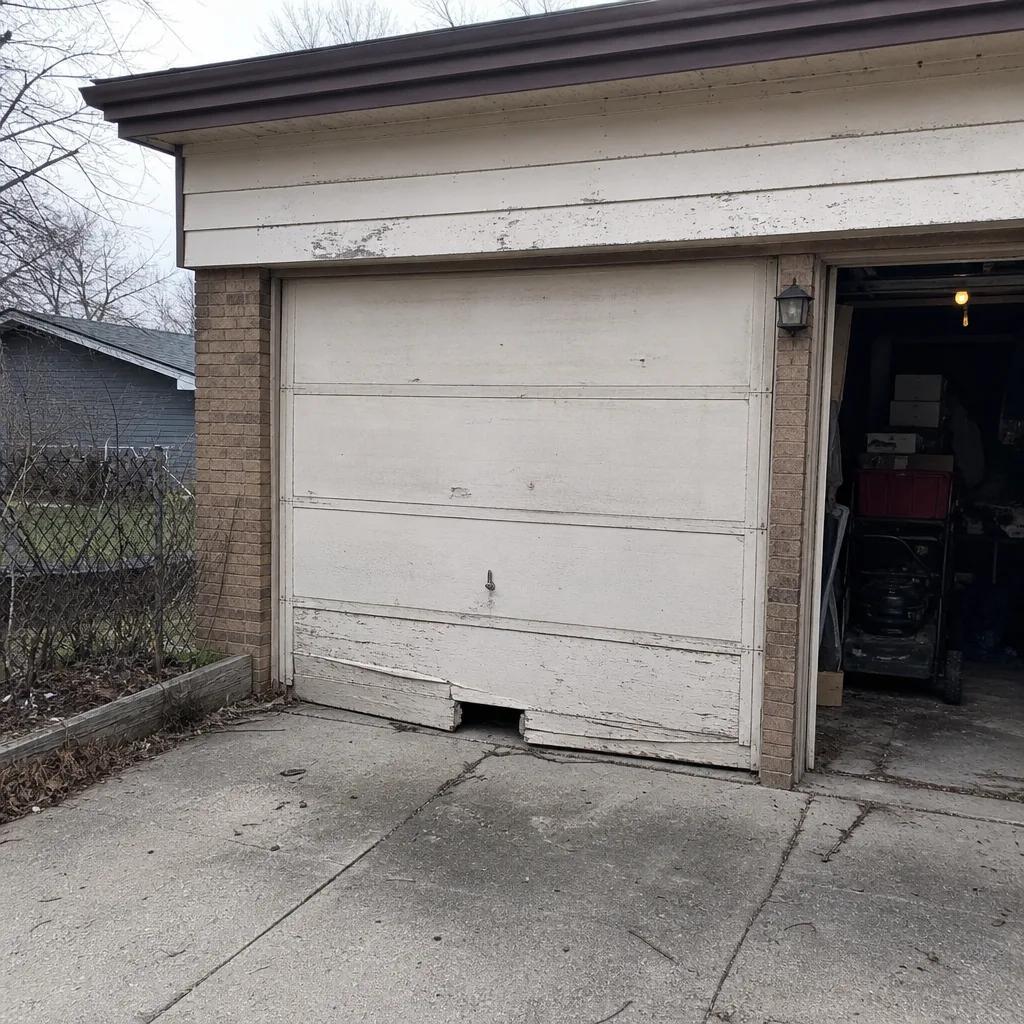
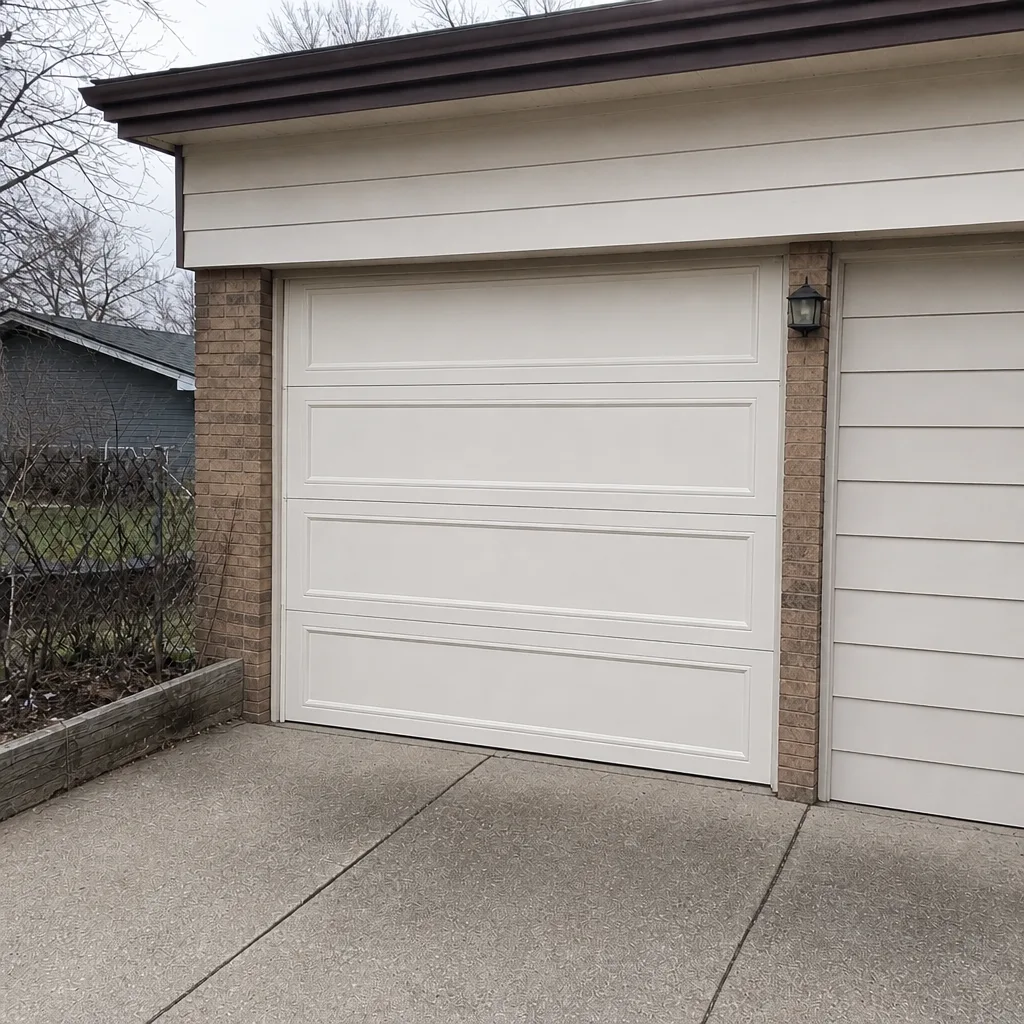
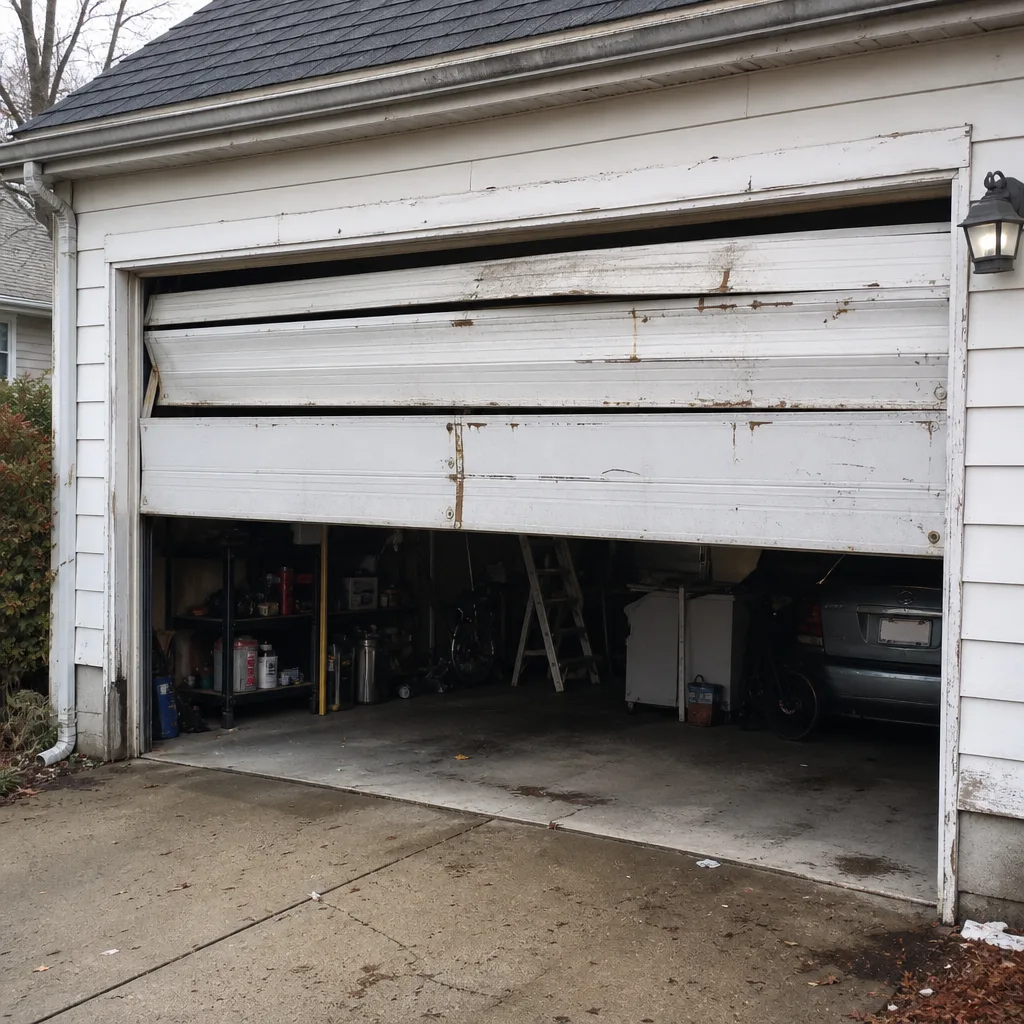
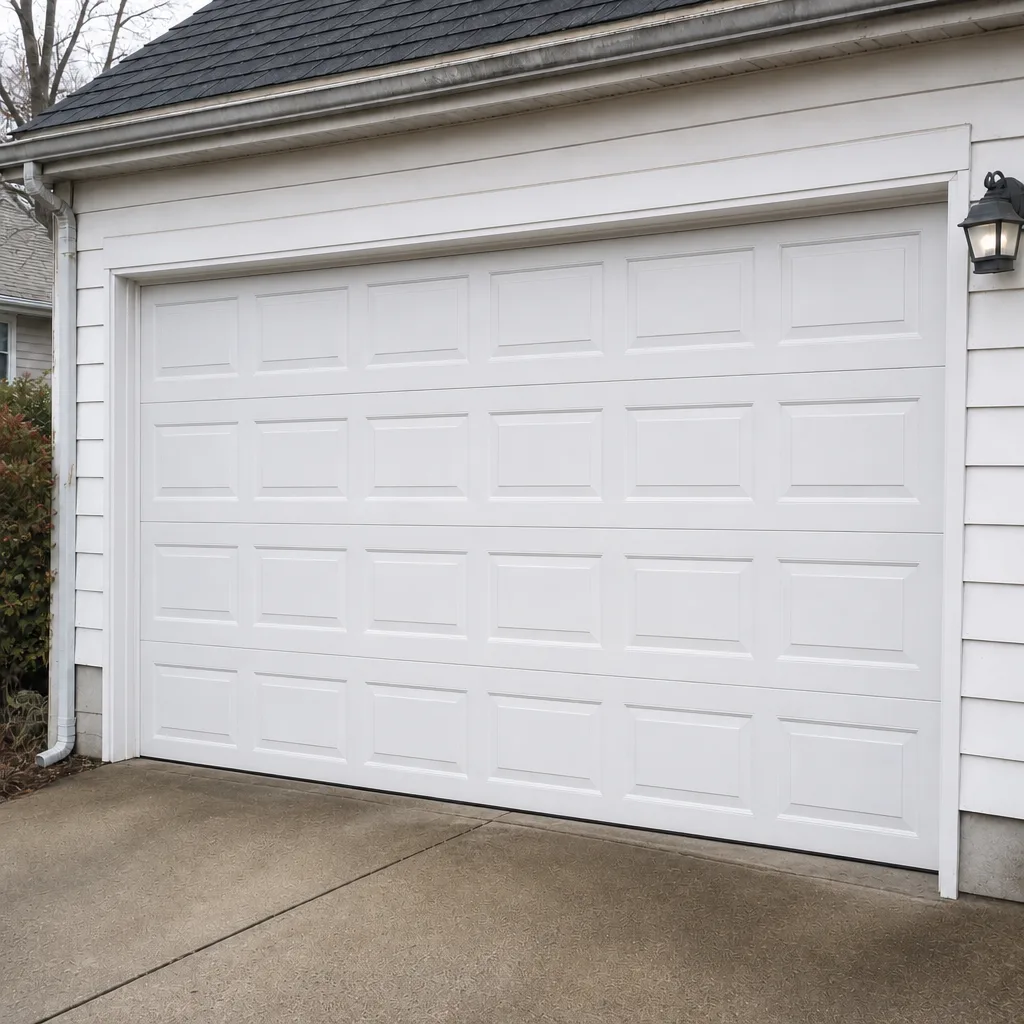
See the difference
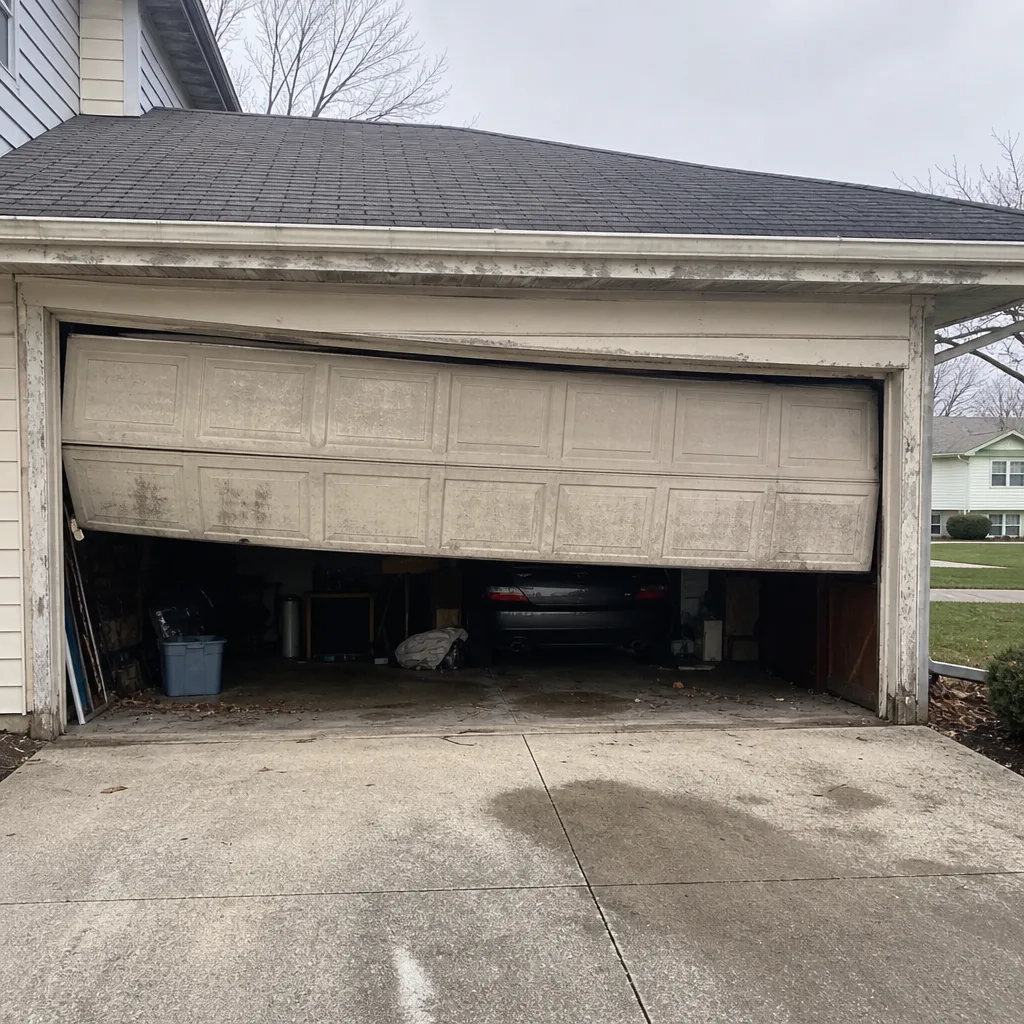 Before
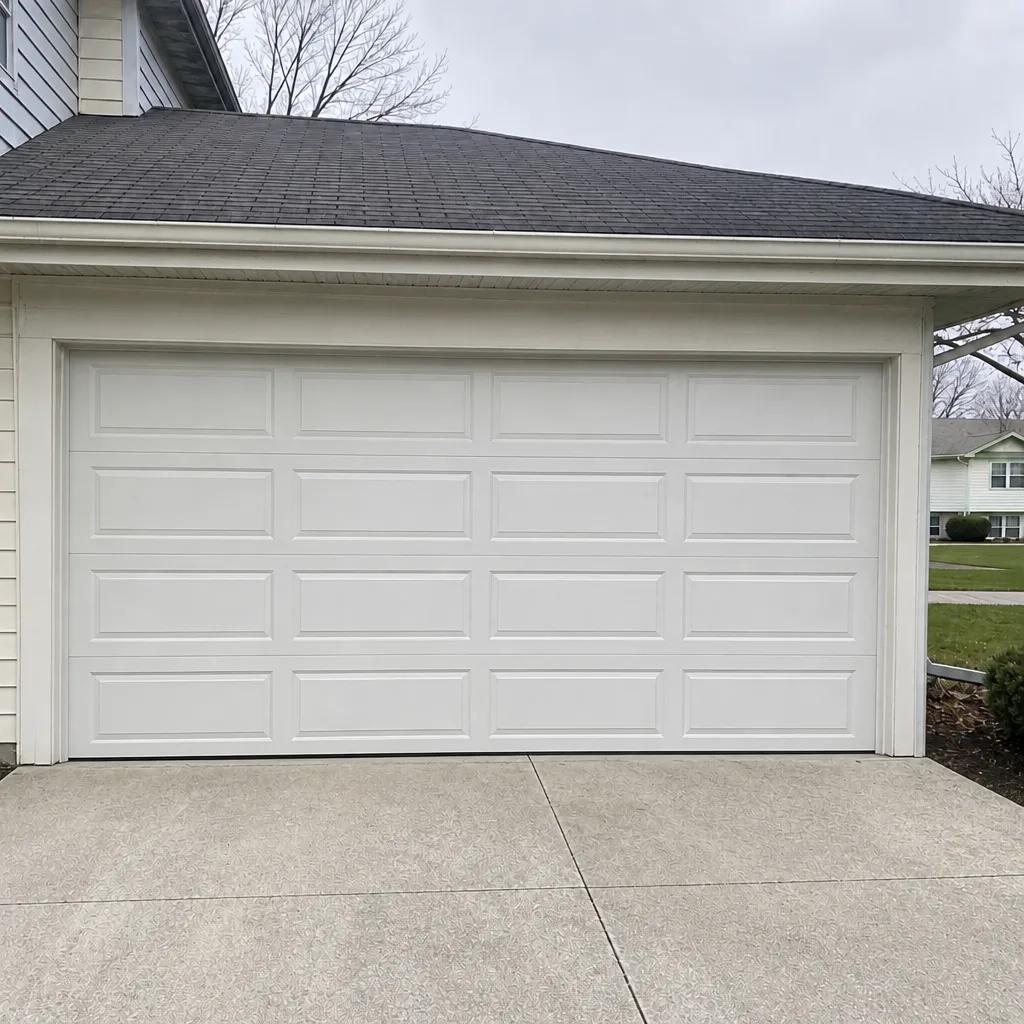 After
 Before
 After
 Before
 After
When to Call a Professional
Seasonal checks and the weatherstripping job are yours to do. Springs, cables, bottom brackets and opener circuit boards are not, at any time of year, because the risk of injury or expensive damage is too high. If a door stops moving, if a spring lets go, if the door comes off track or runs out of balance, or if the opener shows board symptoms, that’s the moment to stop and call. Schaumburg Garage Door Repair Pros offers free estimates in Schaumburg; call (888) 804-6431. We answer 24/7, fast dispatch runs 7am to 7pm Sunday through Friday, and we’re closed Saturday. When the door won’t move, same door, same system, fixed right is what we do.
Frequently Asked Questions
Complete your fall freeze prep before the first hard frost, which in Schaumburg usually means by mid-to-late October. The goal is to have springs, hinges and rollers lubricated and the balance and safety reverse tested before the first night the temperature drops well below freezing. Once the freeze arrives, it’s already too late for the lubricant to do its job.
A door that stops short in summer usually has a travel limit that was set in winter or spring, when the wood frame was at a different size. The frame takes on humidity in summer and expands, so the opener’s limit is now slightly off. Check the up limit and re-test the safety reverse, or call a specialist to adjust it for your specific opener.
Yes, for most homeowners. An uninsulated Schaumburg garage gets very hot on a July afternoon, and sustained heat speeds up aging on the opener’s circuit board and start capacitor faster than cold does. The symptoms are slow first opens, a weaker remote or phantom opening. If you see those, get the board checked before it fails entirely.
Road salt tracked in on tires and boots runs toward the garage floor and settles on the bottom brackets, the bottom section and the base of the track. It corrodes the plated steel and the fasteners, and it wears through the plating fastest at the bottom brackets, which are the parts under cable tension. Rinse the bottom section and brackets after winter thaws, and have a technician inspect the brackets before the next winter.
Yes, replacing the bottom seal and side weatherstripping is a reasonable homeowner job, provided you order the right profile for your door. If you have a Clopay or Amarr door, get the brand-specific profile rather than cutting a generic strip. Do it before August so the seal has time to seat properly before the cold. Do not touch the bottom brackets or cables, which are under tension and require a trained technician.
We’re closed Saturday. The phone line is answered 24/7, so you can call and leave the details, and we’ll book you into the next opening, Sunday through Friday, 7am to 7pm. Don’t force the door or try to work on it in the meantime. A door that won’t close or stays open can’t be fixed by hand, and forcing it can damage the track or the panels.
The Bottom Line
Schaumburg’s climate doesn’t create four separate garage door problems. It creates one sequence: summer heat bakes the lubricant off, fall freeze exposes the bare metal, winter freeze-thaw and road salt work on the frame and bottom brackets, and spring thaw reveals the damage. Break that sequence at the cheapest point, which is the fall lubricant and balance check, and the following spring costs you nothing but the check itself. The weatherstripping you inspect in July decides how the door handles January. The travel limits you check in late summer prevent the phantom failures of winter. And the components that carry tension, the springs, the cables and the bottom brackets, are the one part of this routine you should never do yourself. A trained technician knows the system in your garage, Chamberlain or Genie, Clopay or Amarr, and handles it with the right tools. Call (888) 804-6431 for a free estimate.
Written by the team at Schaumburg Garage Door Repair Pros.